Charlec / FAQ
Your flooring questions, answered.
Explore practical advice on choosing a system, preparing concrete, caring for your floor and planning your installation.
Choosing a system
How do we choose the right flooring system?
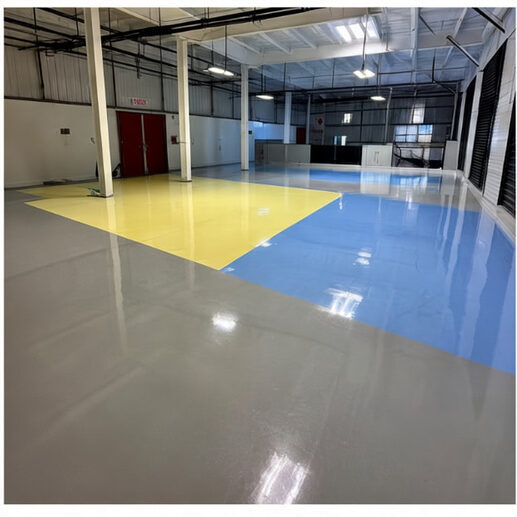
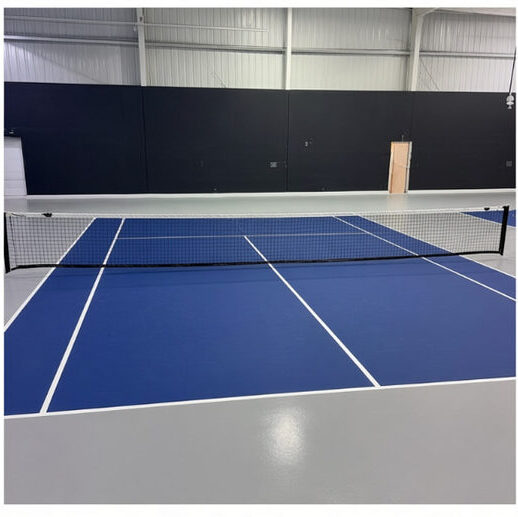
We start with the conditions: traffic, abrasion, chemical exposure, moisture, slip resistance needs, cleaning regime, and how much downtime you can allow. The right system is the one that fits those conditions — not the one with the best brochure.
Can you work from our drawings and specifications?
Yes. We regularly price and build from issued drawings and specifications, and we flag conflicts between the spec and actual site conditions early.
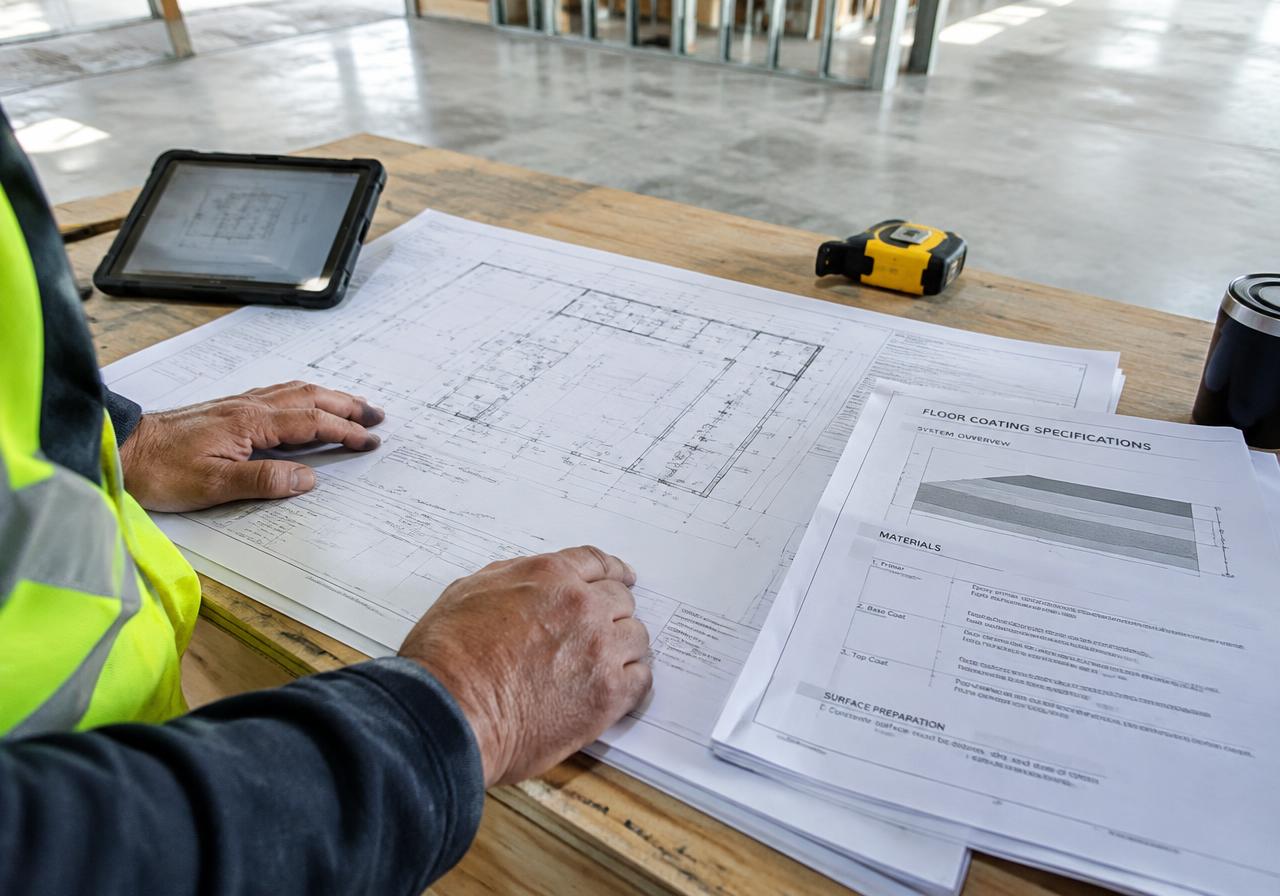
Epoxy, urethane cement, or polished concrete — what's the difference?
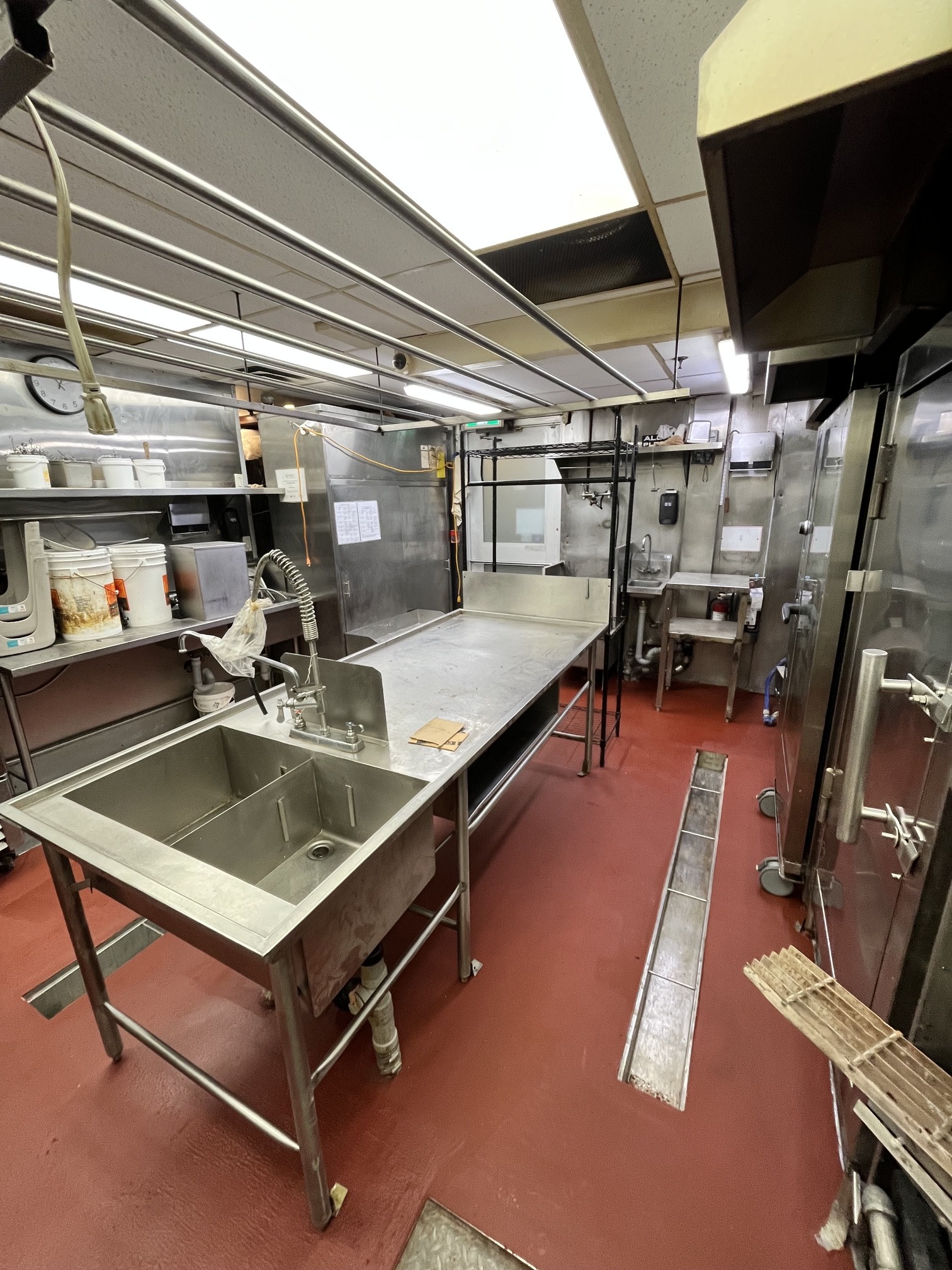
Epoxy coatings are versatile for suitable industrial conditions. Specified urethane cement systems may suit wet kitchens and thermal cycling; formulation, thickness, chemical exposure and substrate determine suitability. Polished concrete refines the existing slab with no coating to wear off. We match each one to the space where it performs at its best.
Is any floor maintenance-free?
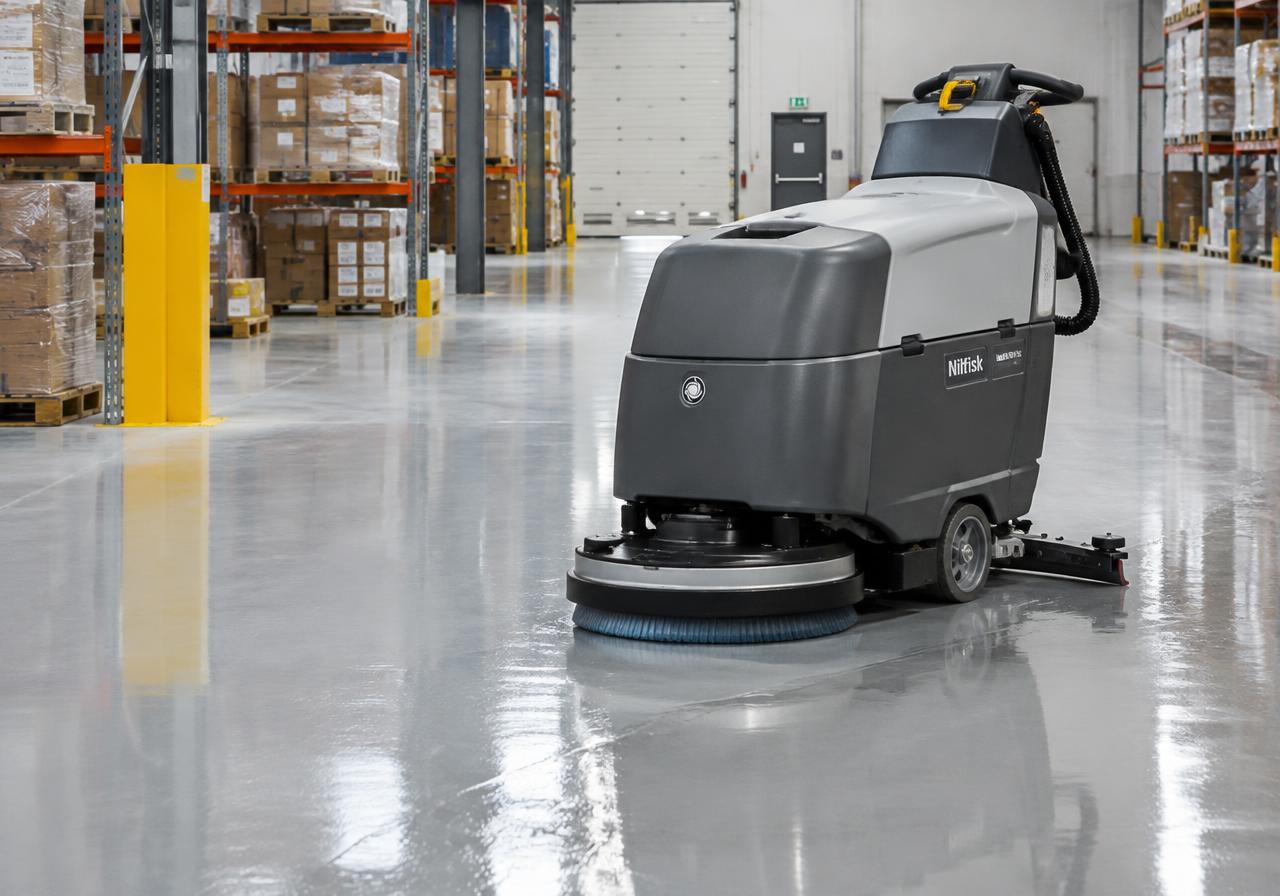
Our systems are built for low upkeep: routine sweeping and a simple clean keep them looking sharp for years. Every handover includes a clear care plan for your exact floor.
How is ESD flooring selected?
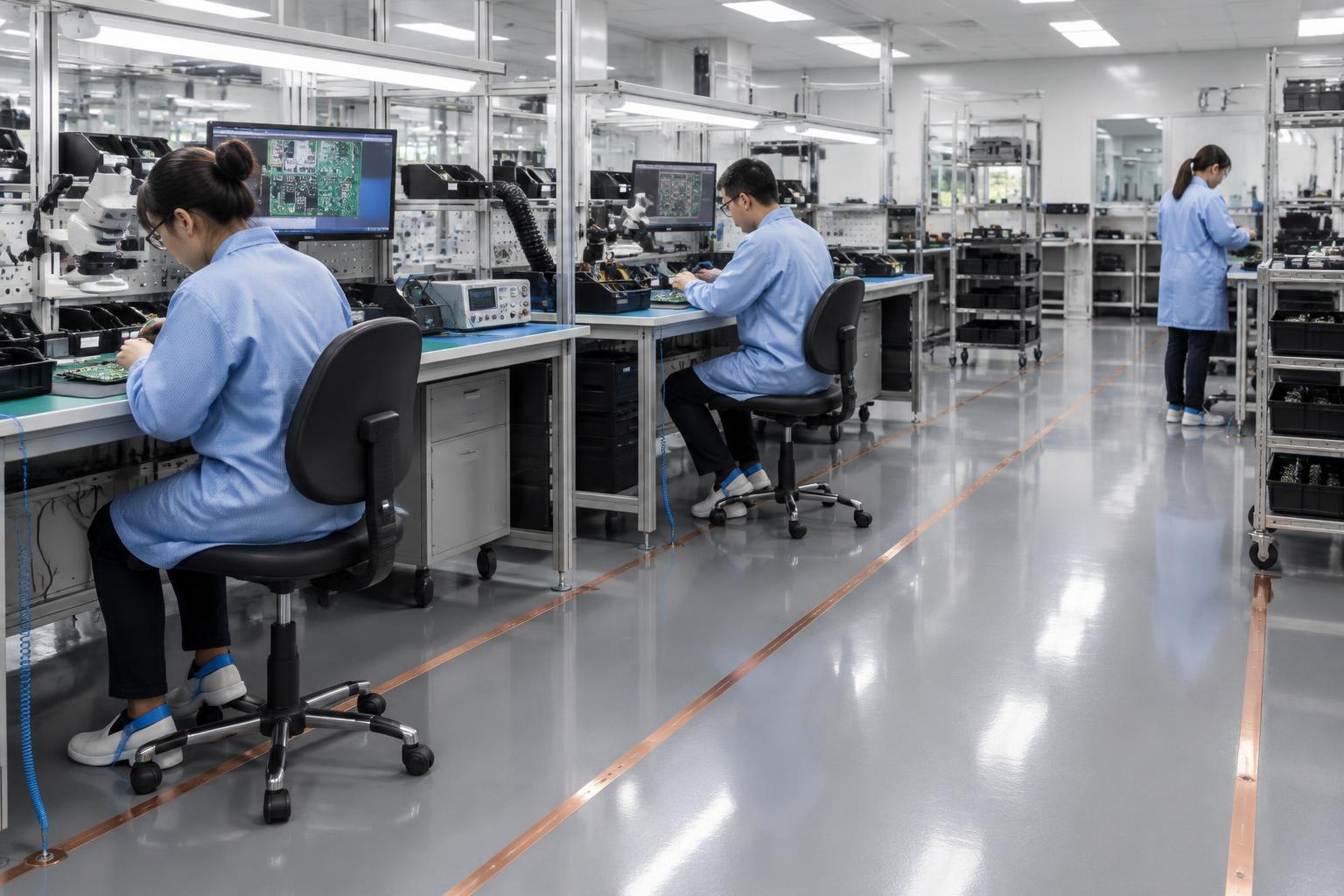
The facility’s static-control requirements determine conductive or dissipative flooring, grounding integration and testing. We install and verify the system against your specified electrical requirements.
Preparation, moisture & cracks
Why does surface preparation matter so much?
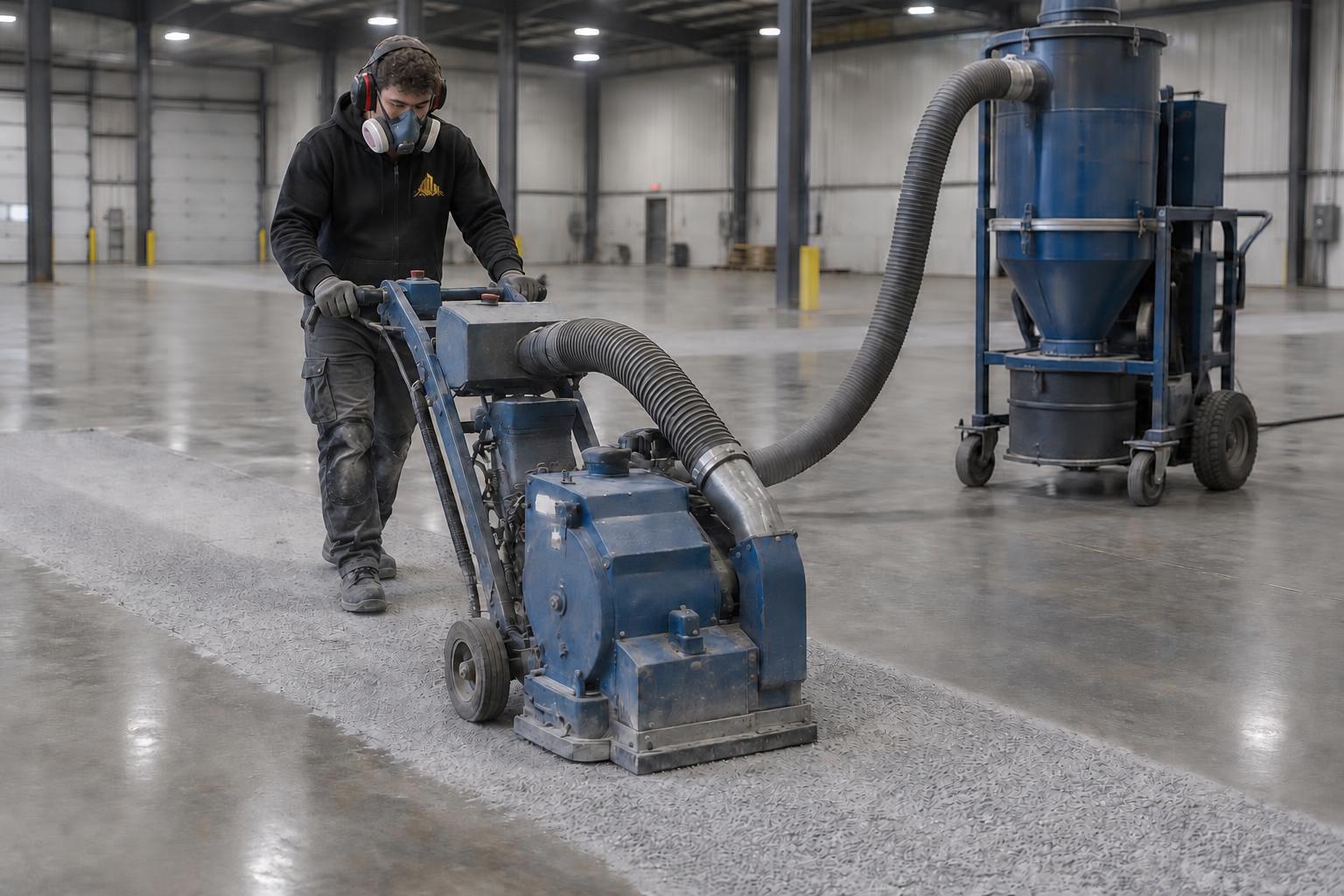
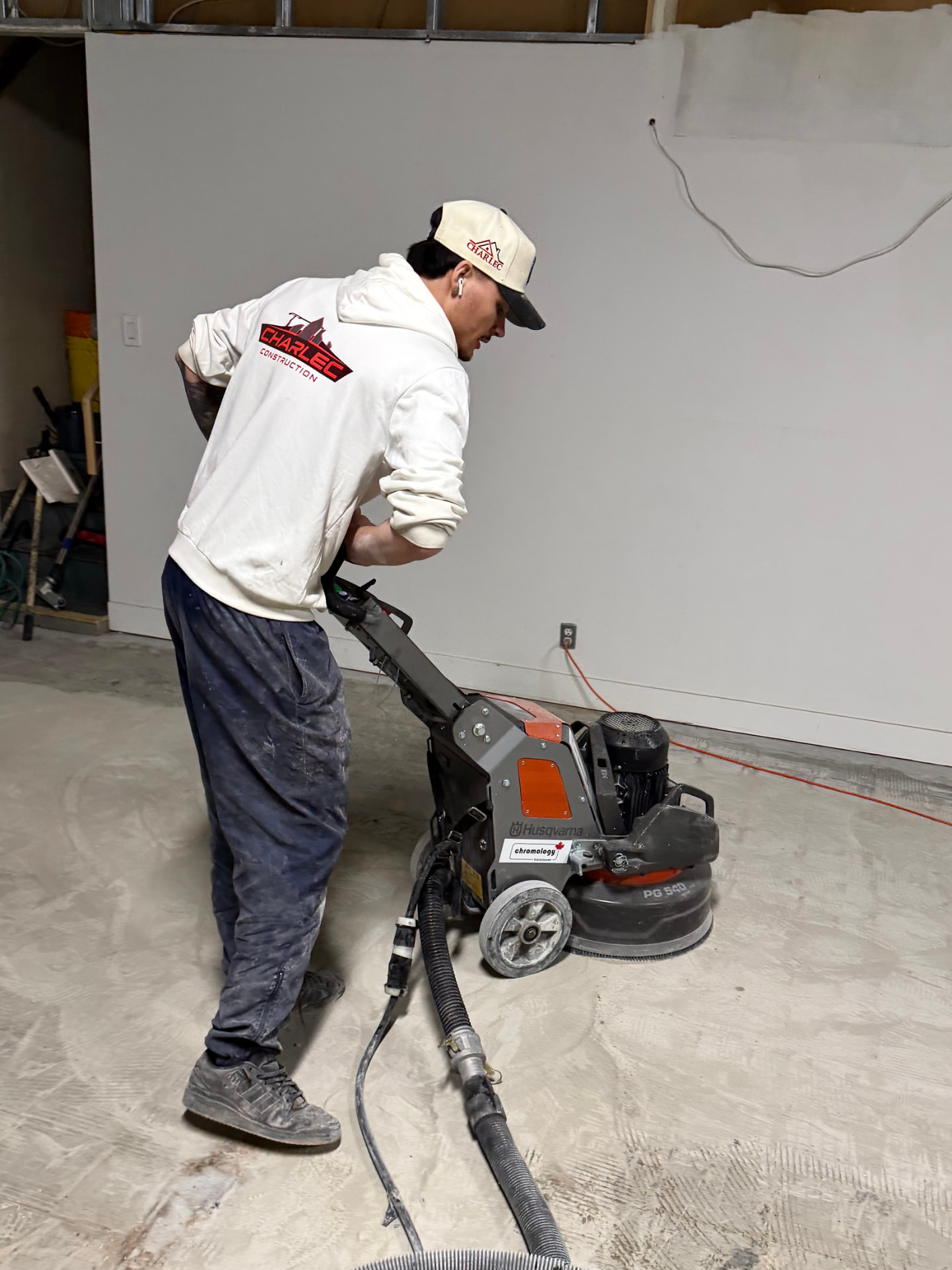
Coatings bond to concrete mechanically. We create that profile by diamond grinding or shot blasting, giving every coat a strong, lasting bond. Thorough preparation is the foundation of every Charlec floor.
Our slab has moisture issues. Can it still be coated?
Yes. We test the slab's moisture condition and, where needed, install a dedicated moisture-vapour mitigation layer so your new floor bonds and performs with confidence.
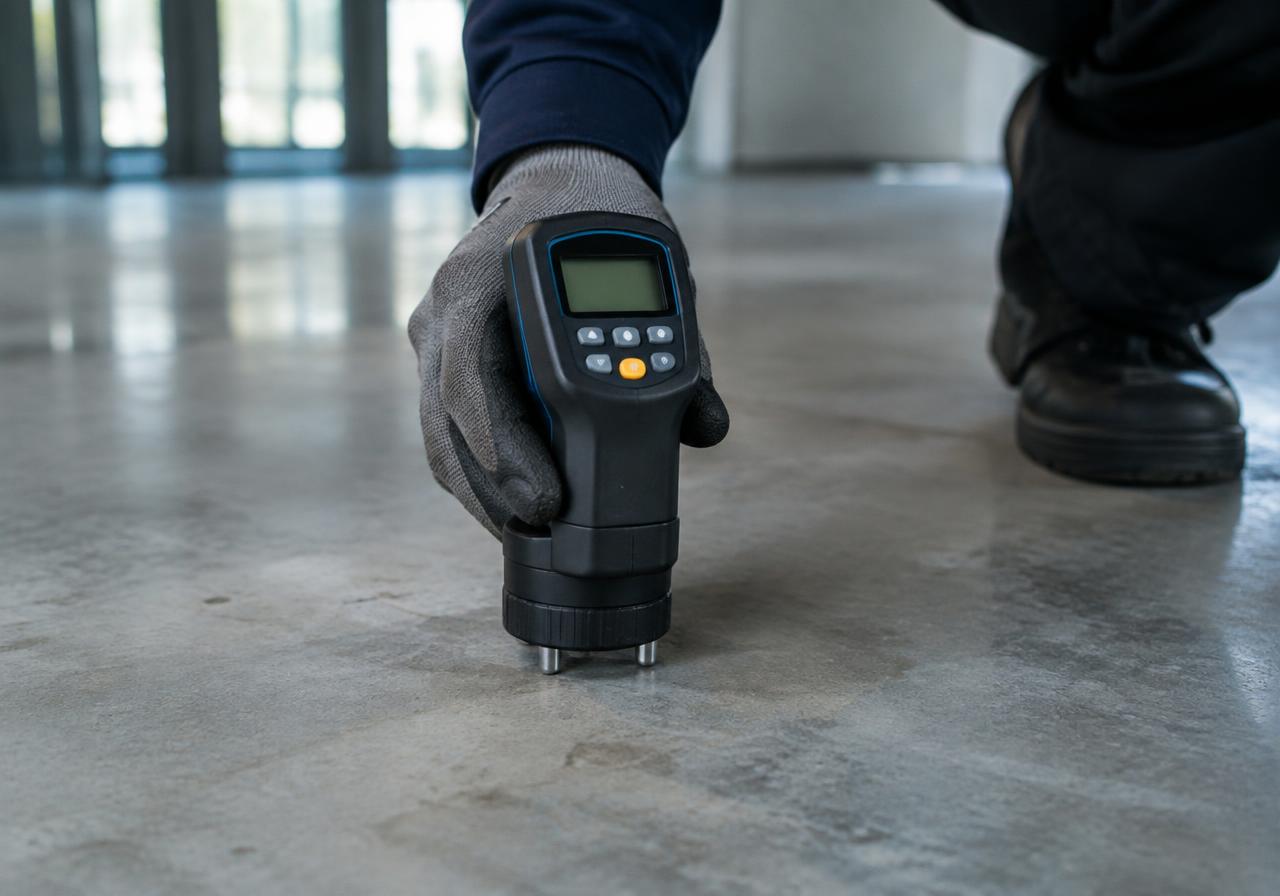
What's the difference between a crack and a movement joint?
A crack is unplanned; a movement (expansion) joint is designed to move. We repair cracks with compatible high-strength materials and finish movement joints with flexible sealants, so the floor stays clean, continuous and ready for coating.
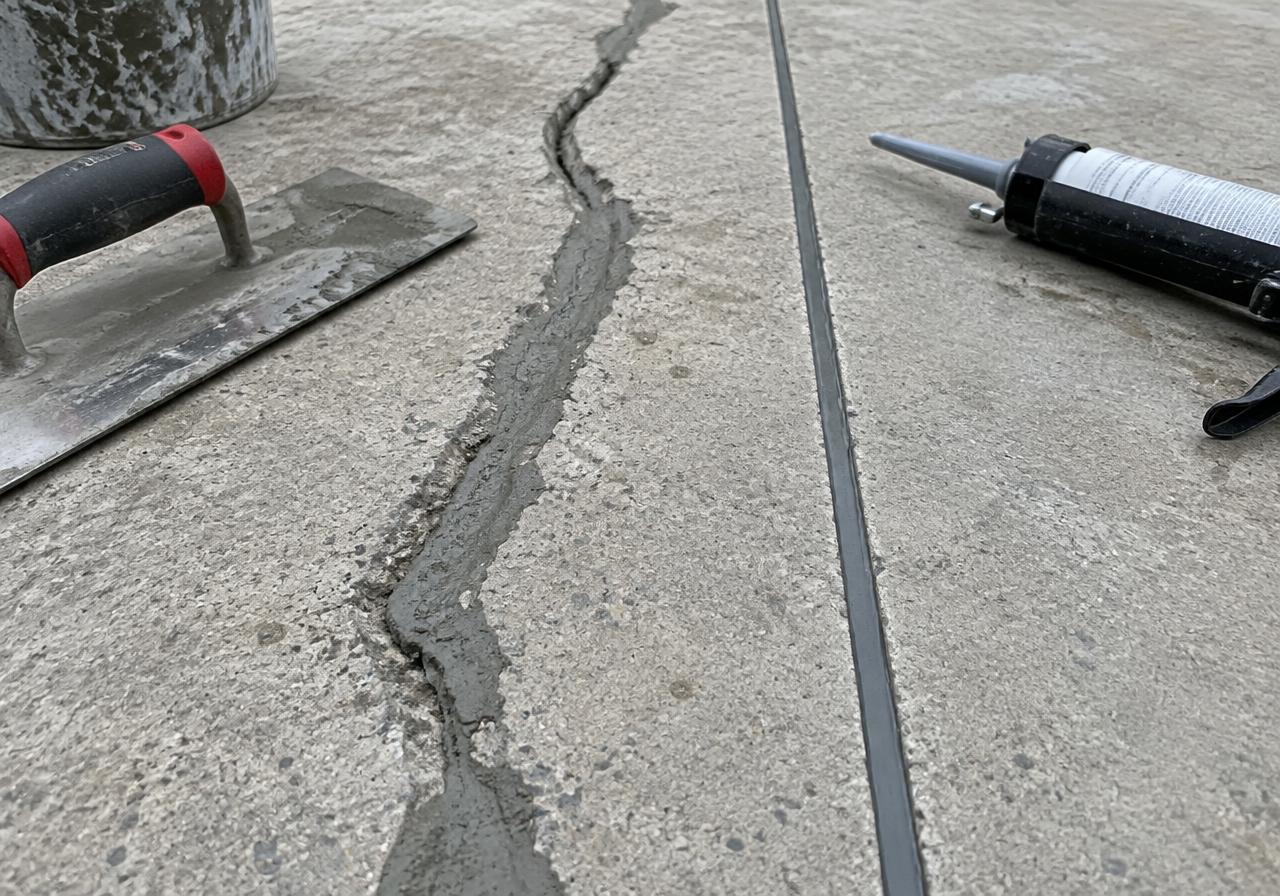
Will repaired cracks stay invisible?
Our repairs restore a sound, level surface ready for the finish. We walk you through the repair plan and how it will look under your chosen system before we start.
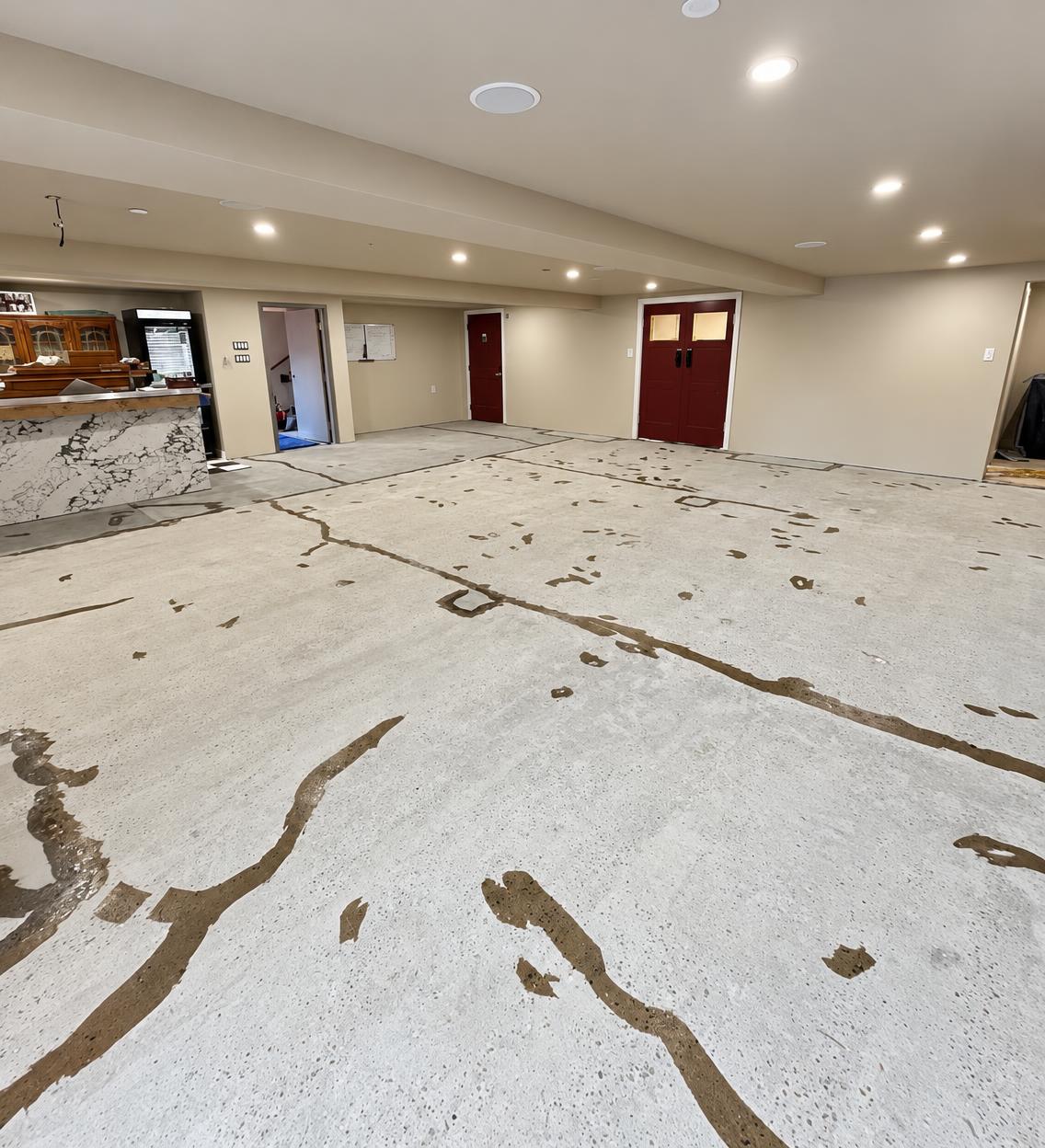
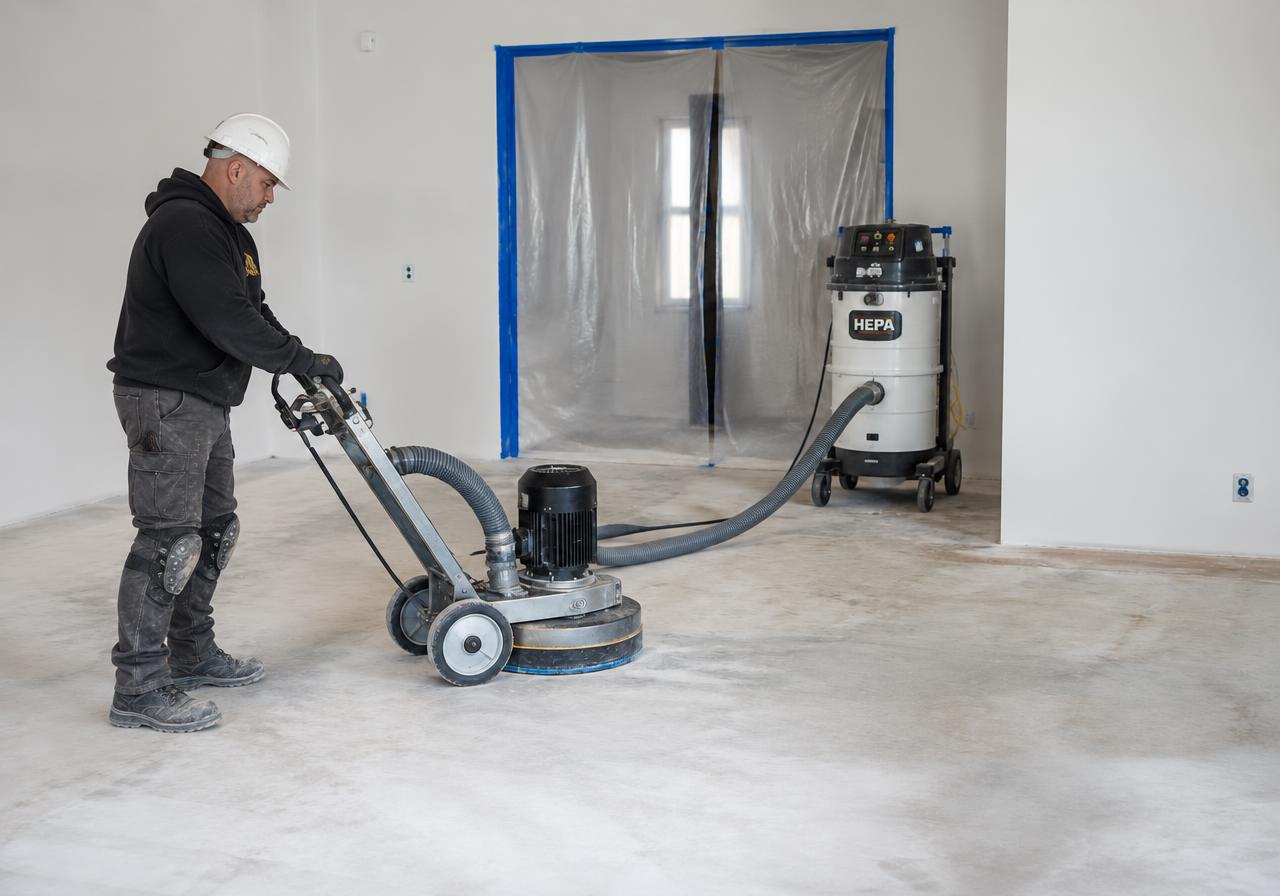
Is surface preparation dust-free?
We connect professional HEPA extraction to our grinding equipment and coordinate housekeeping and containment. Combined with active containment and spotless job-site housekeeping, it keeps your space clean while we work.
Finishes & performance
How slip-resistant are your floors?
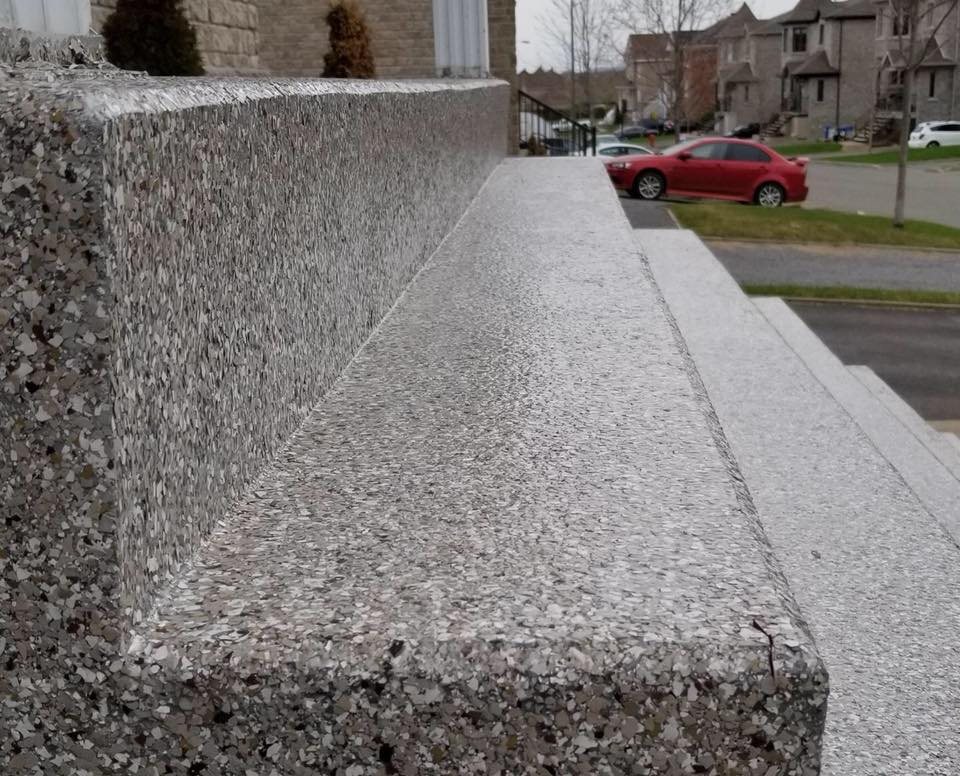
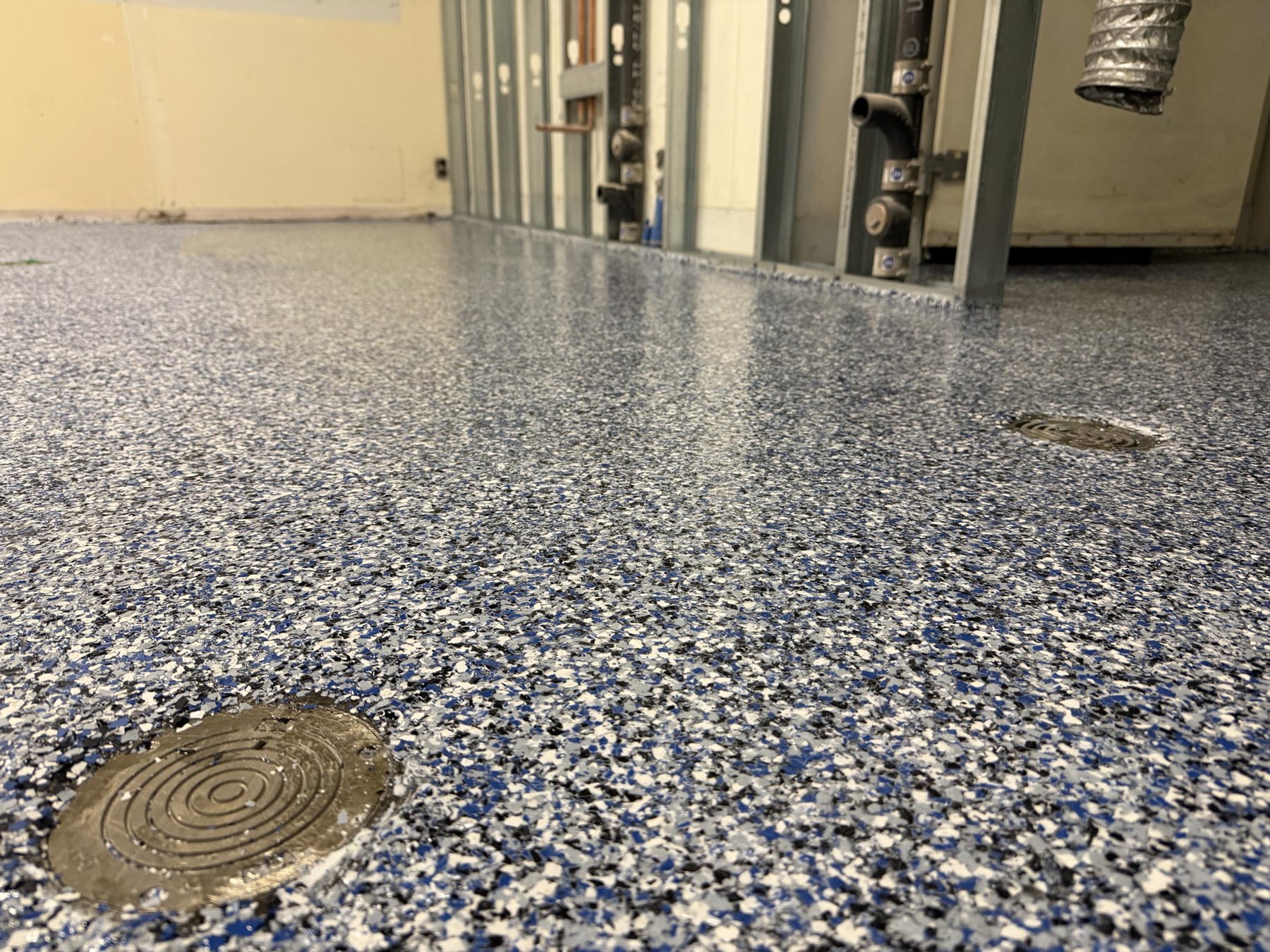
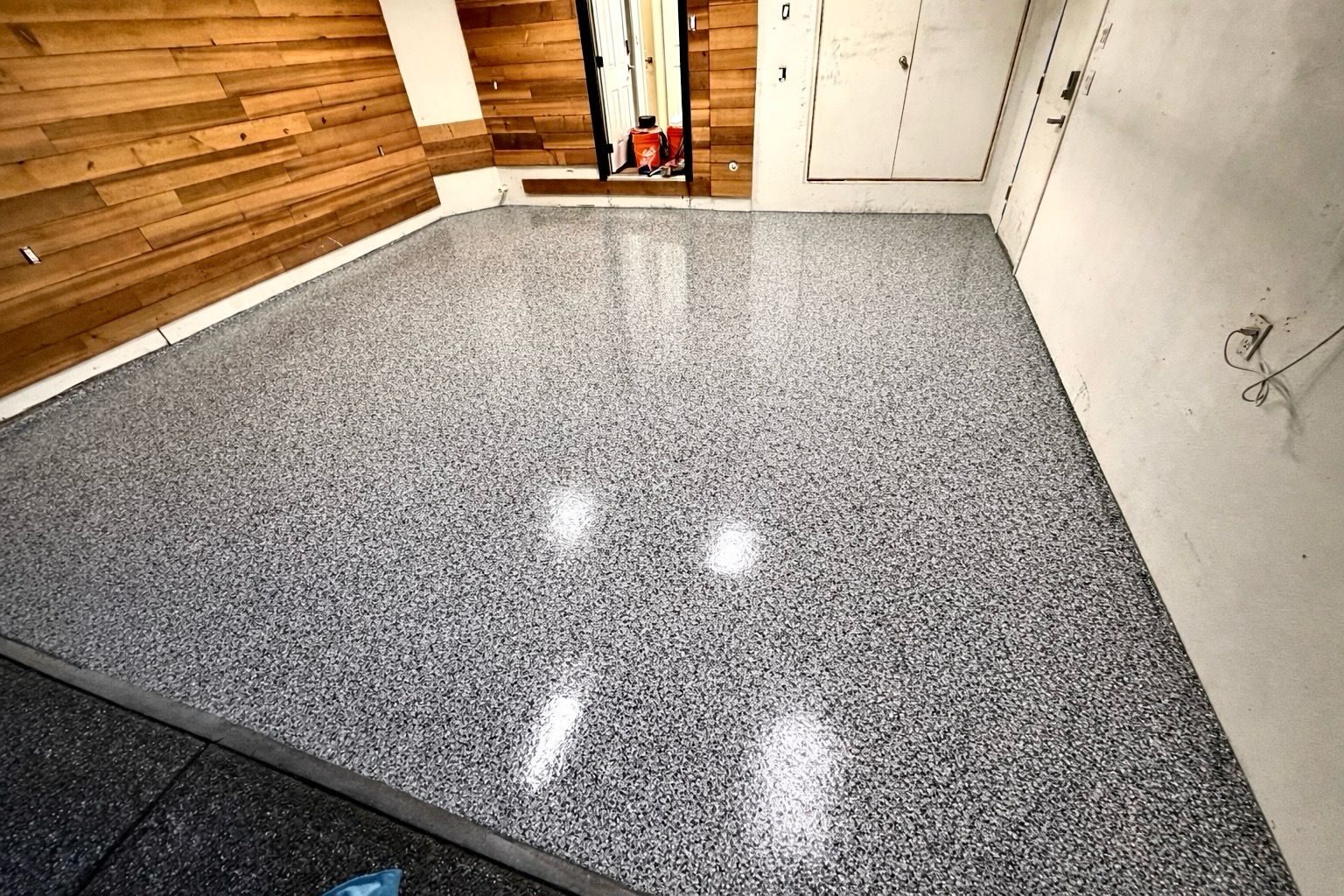
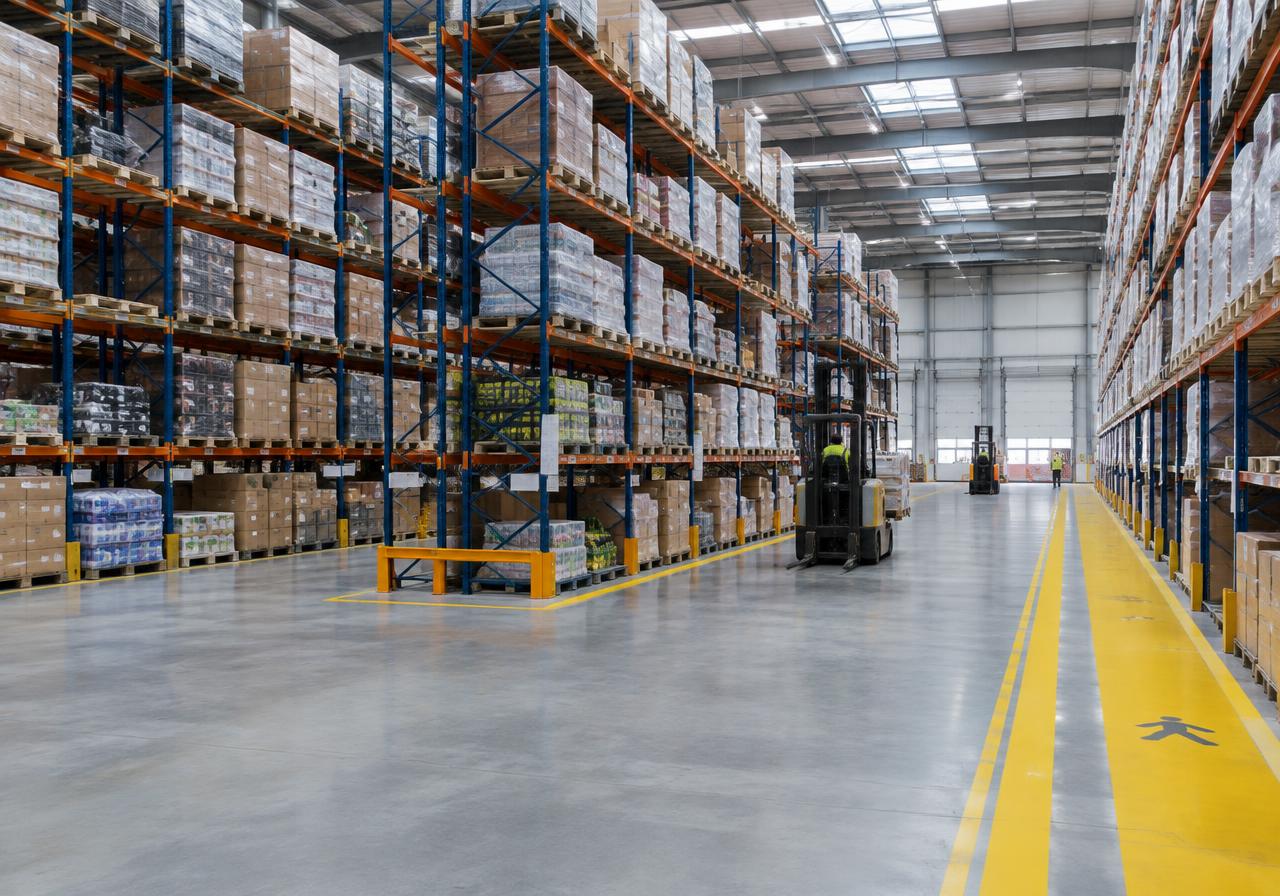
Slip resistance is designed into the system — smooth, textured, or aggregate-broadcast finishes are selected for each area. We tune the texture to how each area is used, so you get confident footing and an easy-to-clean surface.
Polished concrete versus grind-and-seal?
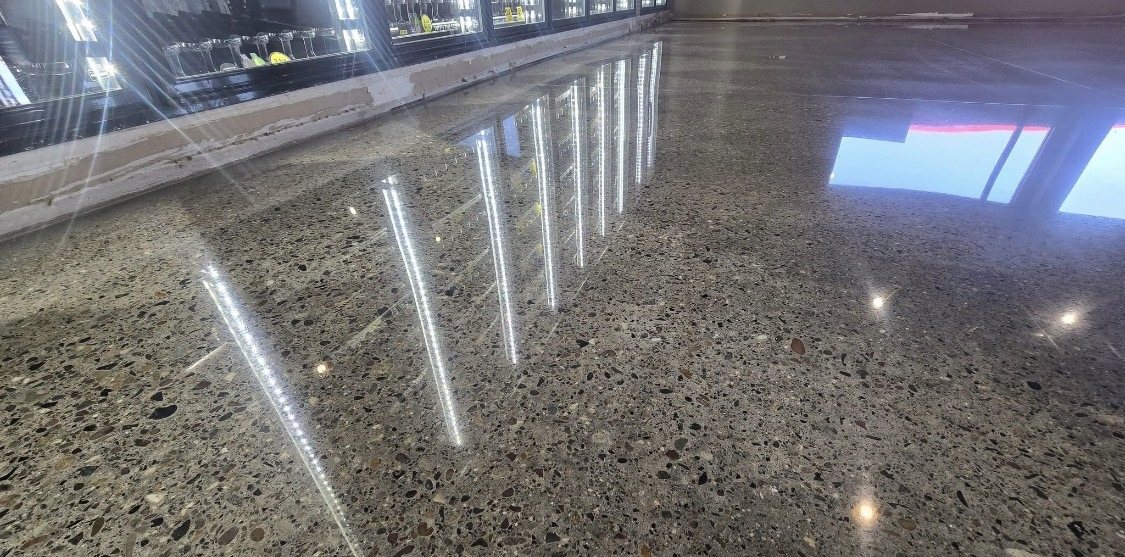
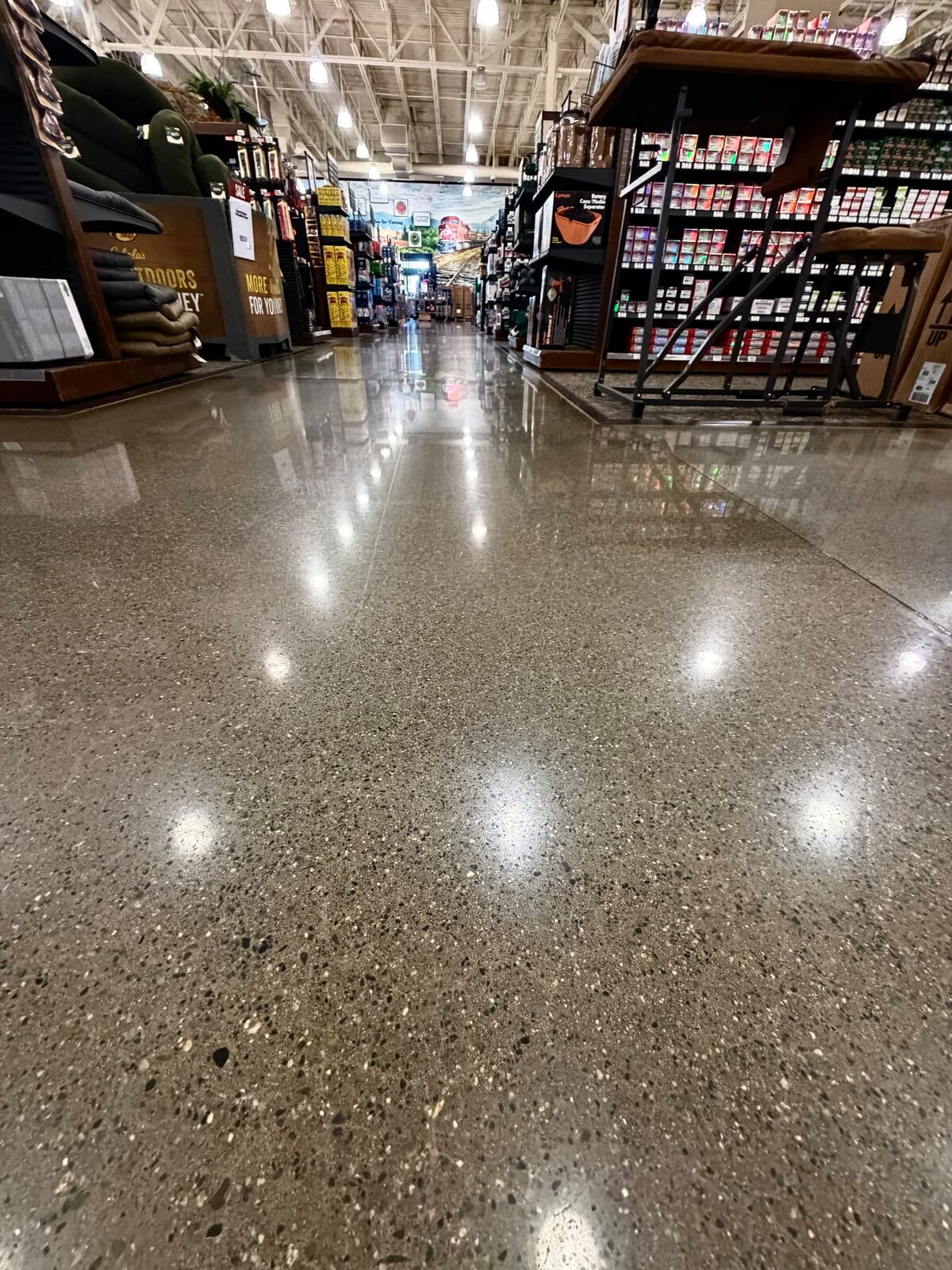
Mechanical polishing refines the concrete itself through progressive abrasives and densification — the sheen is in the slab. Grind-and-seal grinds the surface and applies a topical sealer, with different protection and maintenance. We install both and will explain which suits your space.
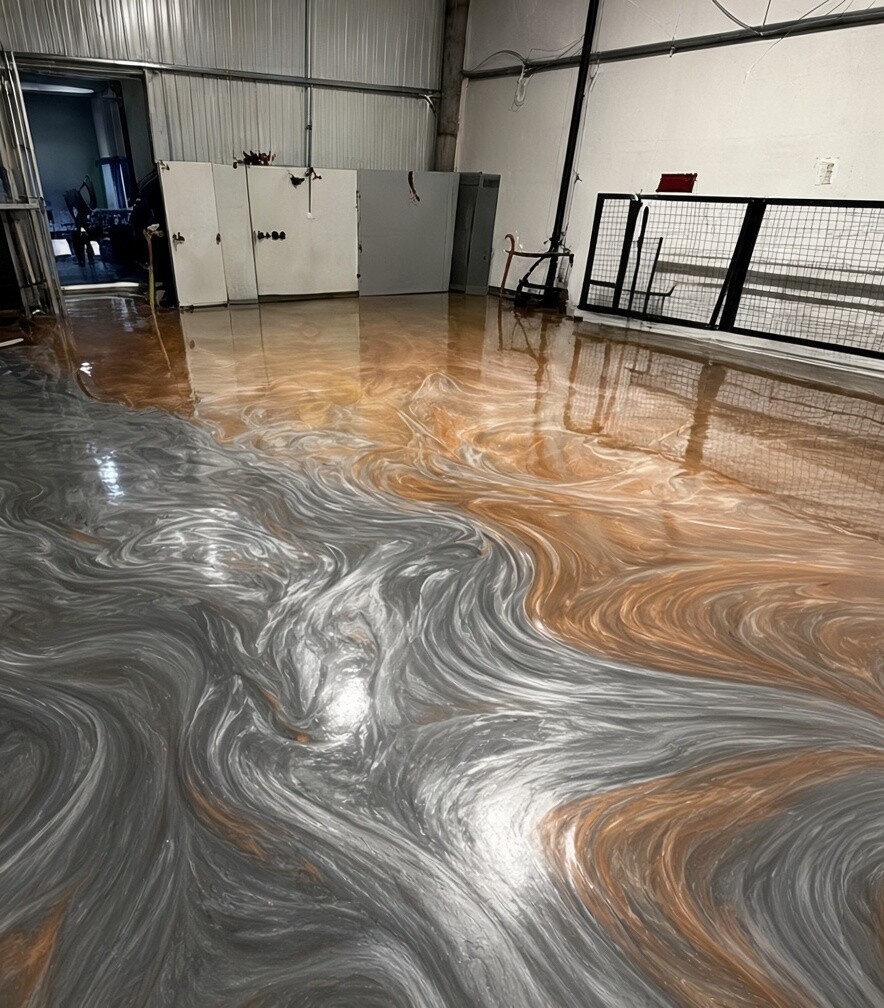
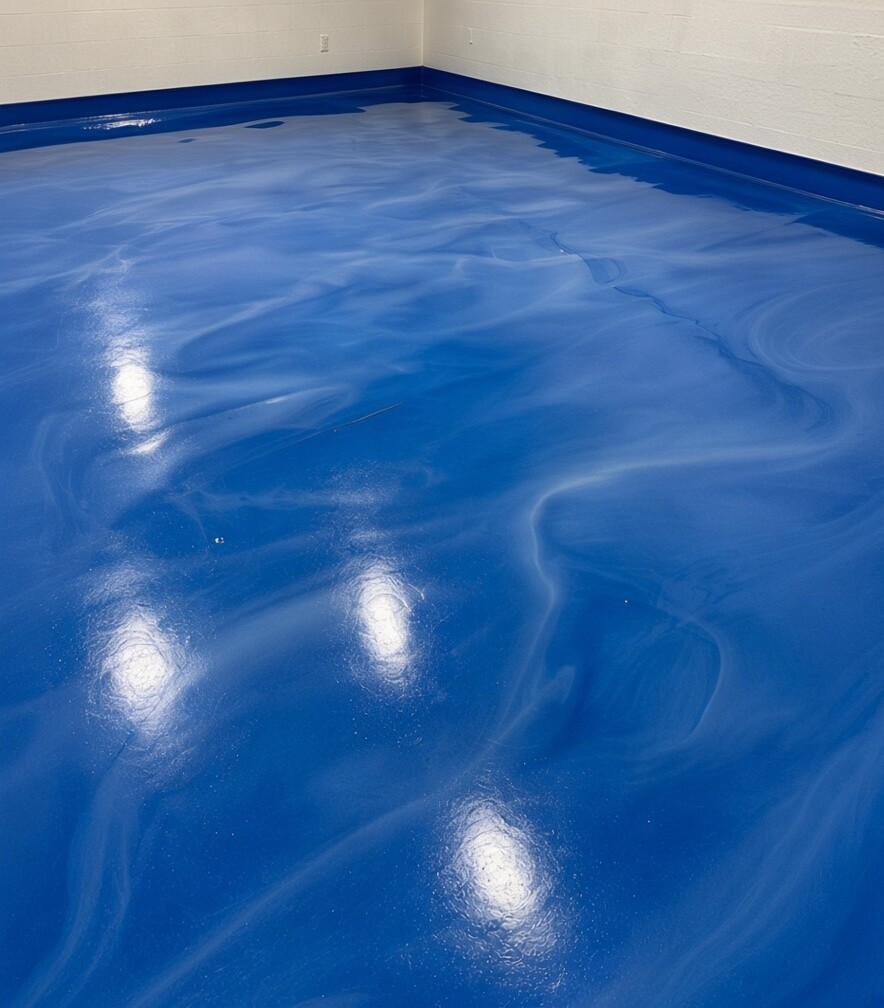
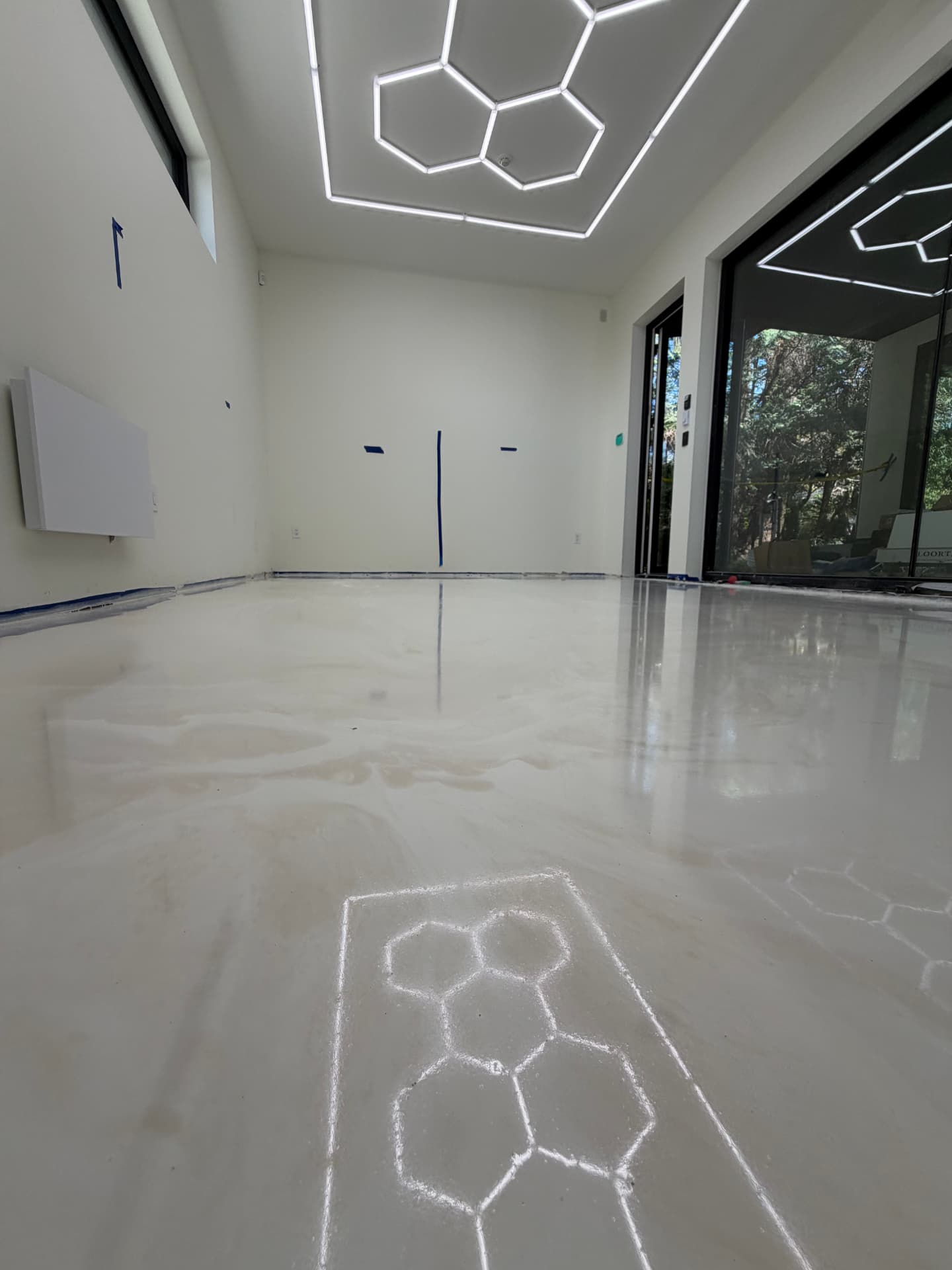
Gloss or satin for a metallic epoxy floor?
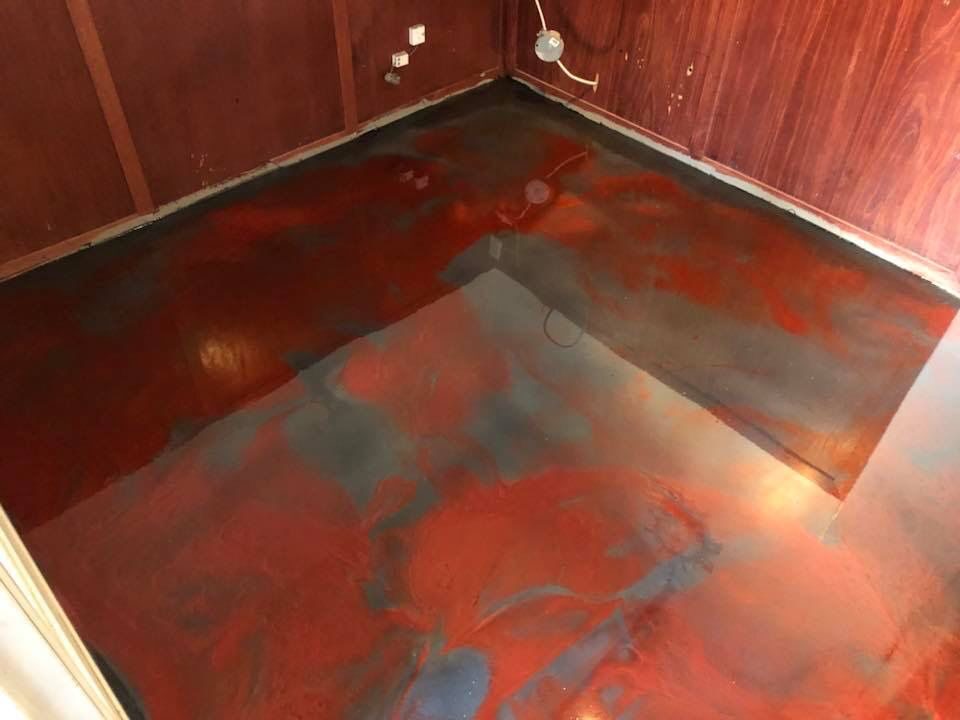
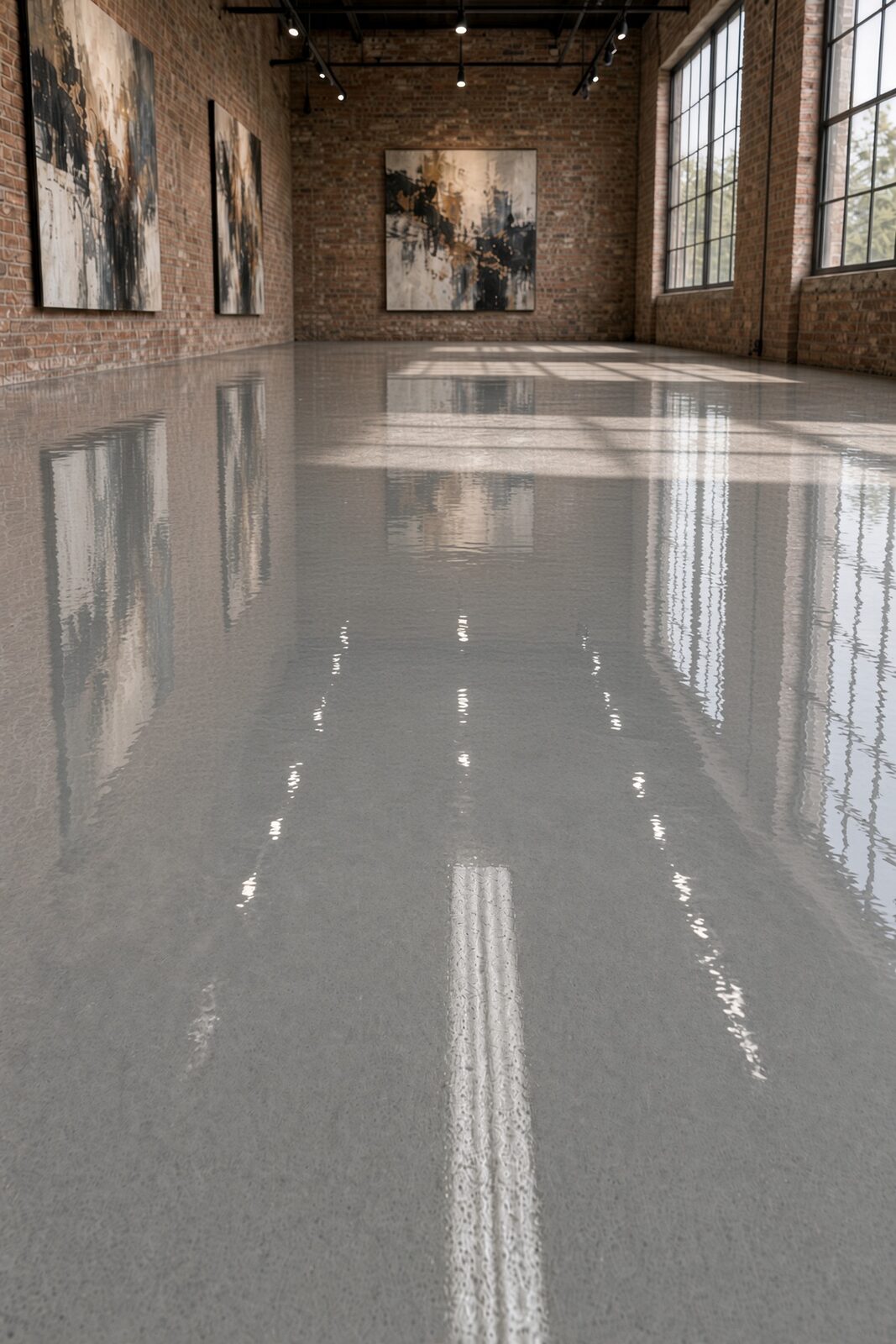
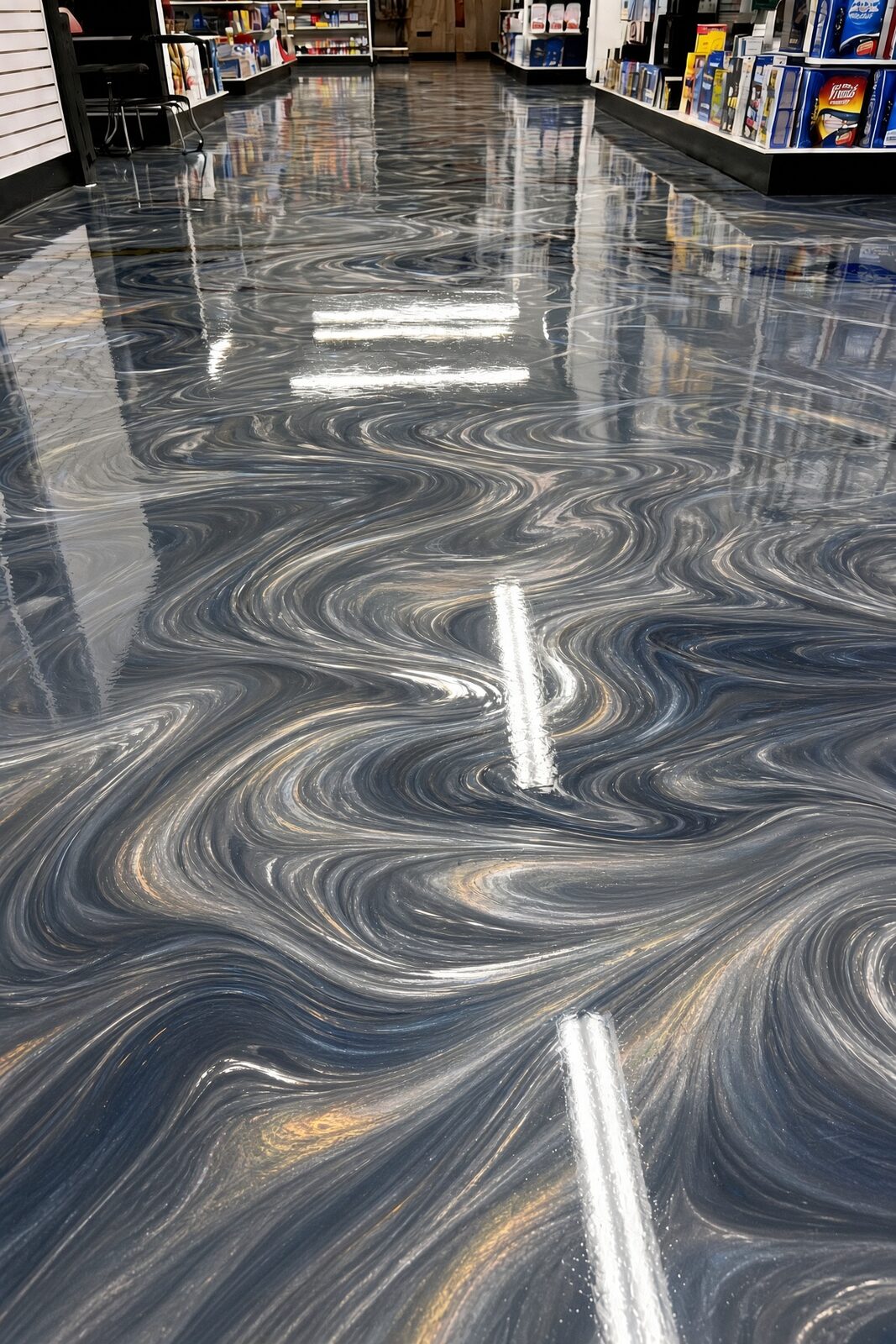
Both are available. Gloss maximizes depth and reflection; satin softens glare and disguises day-to-day wear. The protective topcoat — not the sanding between coats — is what protects the metallic layer.
Can a decorative coating waterproof our balcony or parkade?
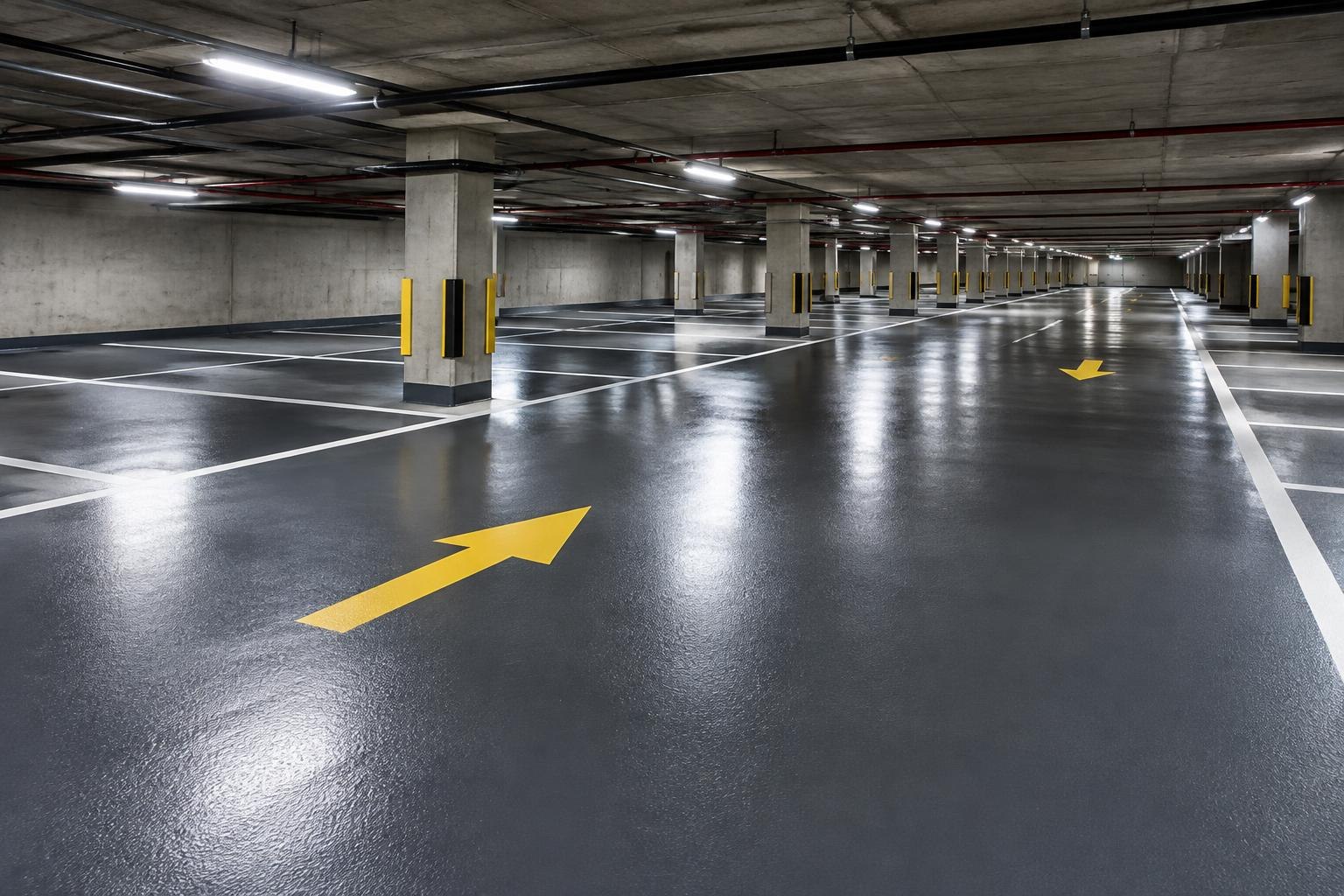
Waterproofing is its own dedicated system. We install purpose-built membranes, carefully detailed at every penetration and transition, for reliable protection — and we offer both.
Can metallic floors have more traction?
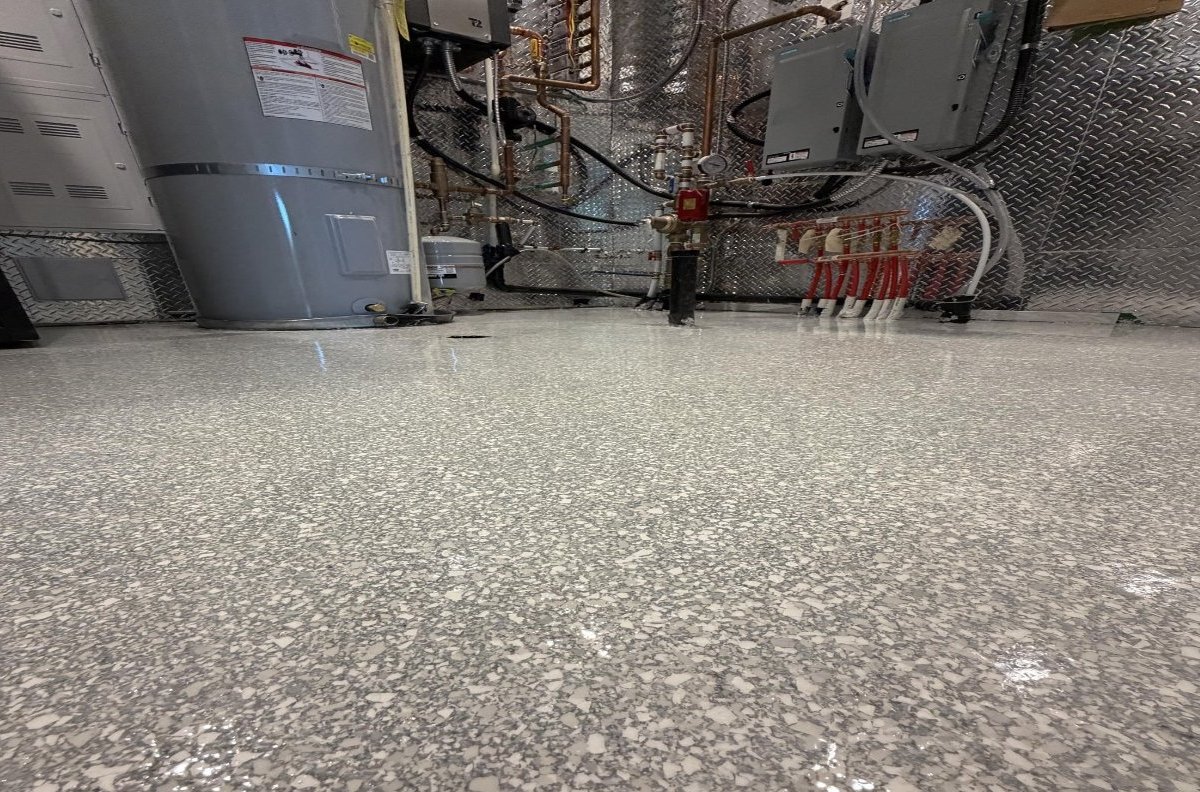
Compatible traction additives and topcoat options, including satin finishes, can be assessed. For wet or outdoor areas, textured flake or quartz systems add even more grip while keeping the look you love.
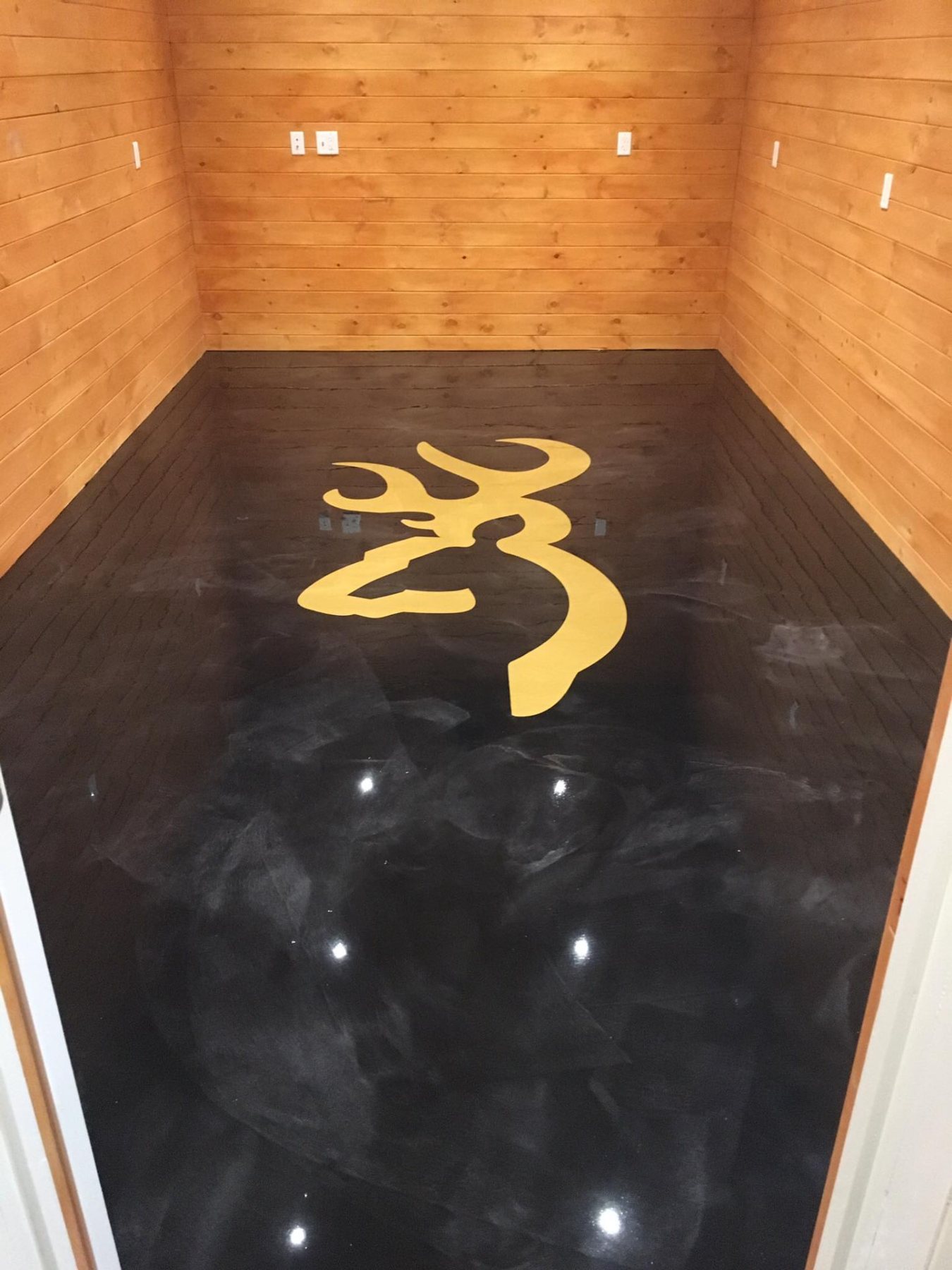
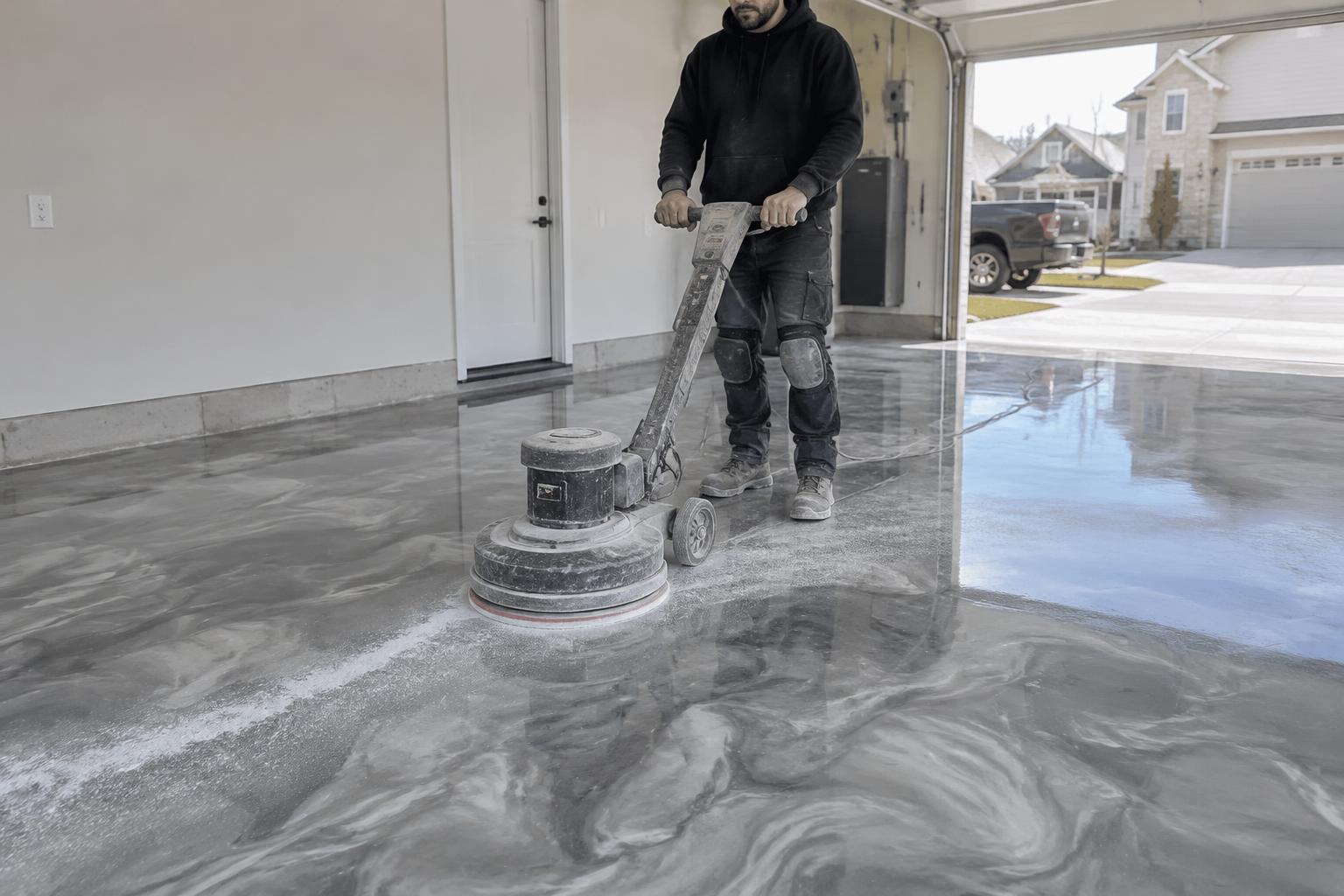
How should we clean epoxy flooring?
Sweep routinely to remove abrasive grit and use compatible mild or pH-neutral cleaners following the installed system’s instructions. Clean spills promptly and confirm equipment, dilution and pads with the maintenance guidance.
Will epoxy yellow in sunlight?
For sunlit and exterior spaces we specify UV-stable systems with premium polyaspartic or non-yellowing clear topcoats, chosen to keep colour crisp and clear. We match the system to the light your space gets.
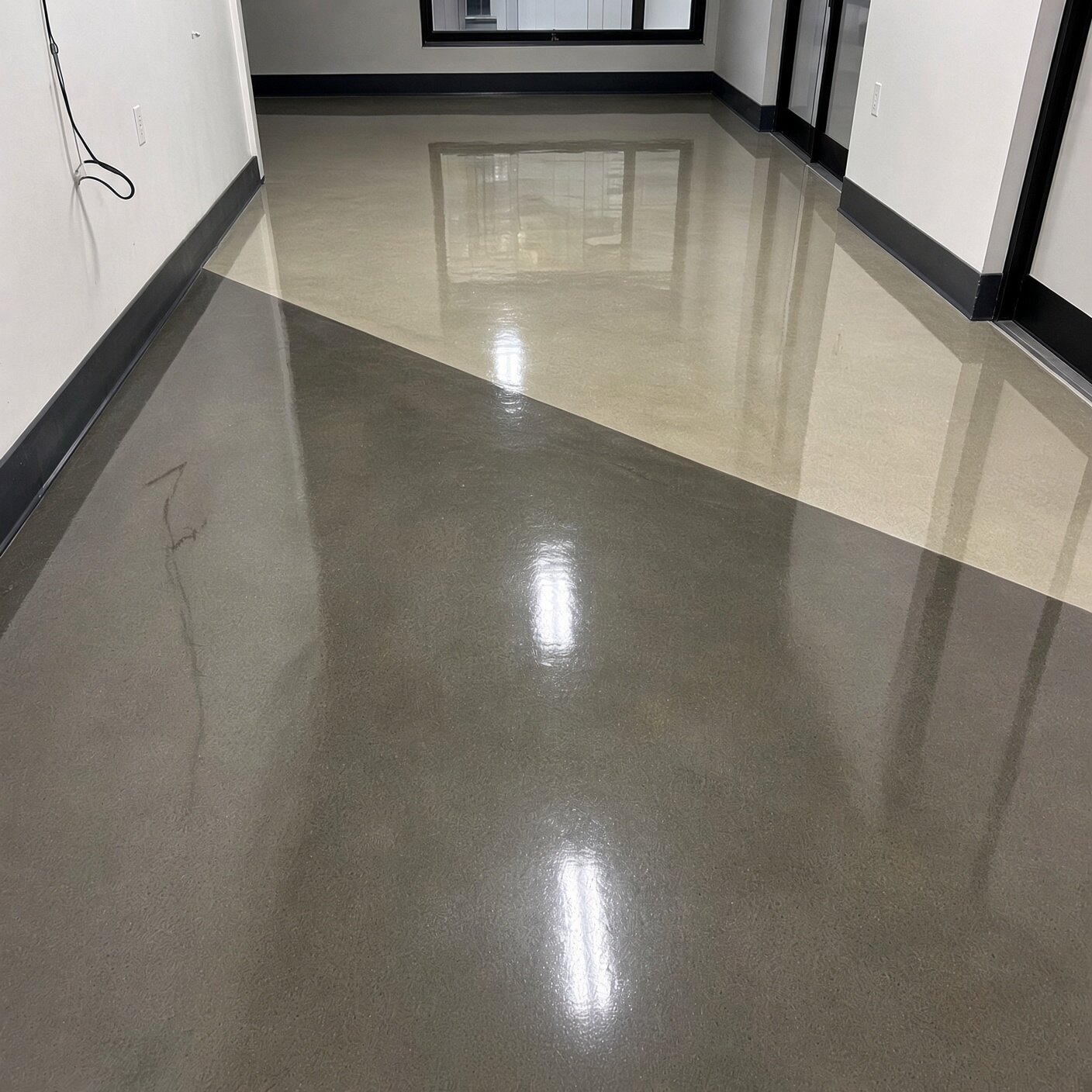
How do we choose slip-resistant flooring?
Match texture and system to wetness, contaminants, footwear, cleaning and use. We balance grip and easy cleaning so the floor is right for your space.
Structural restoration
What is CFRP reinforcement?
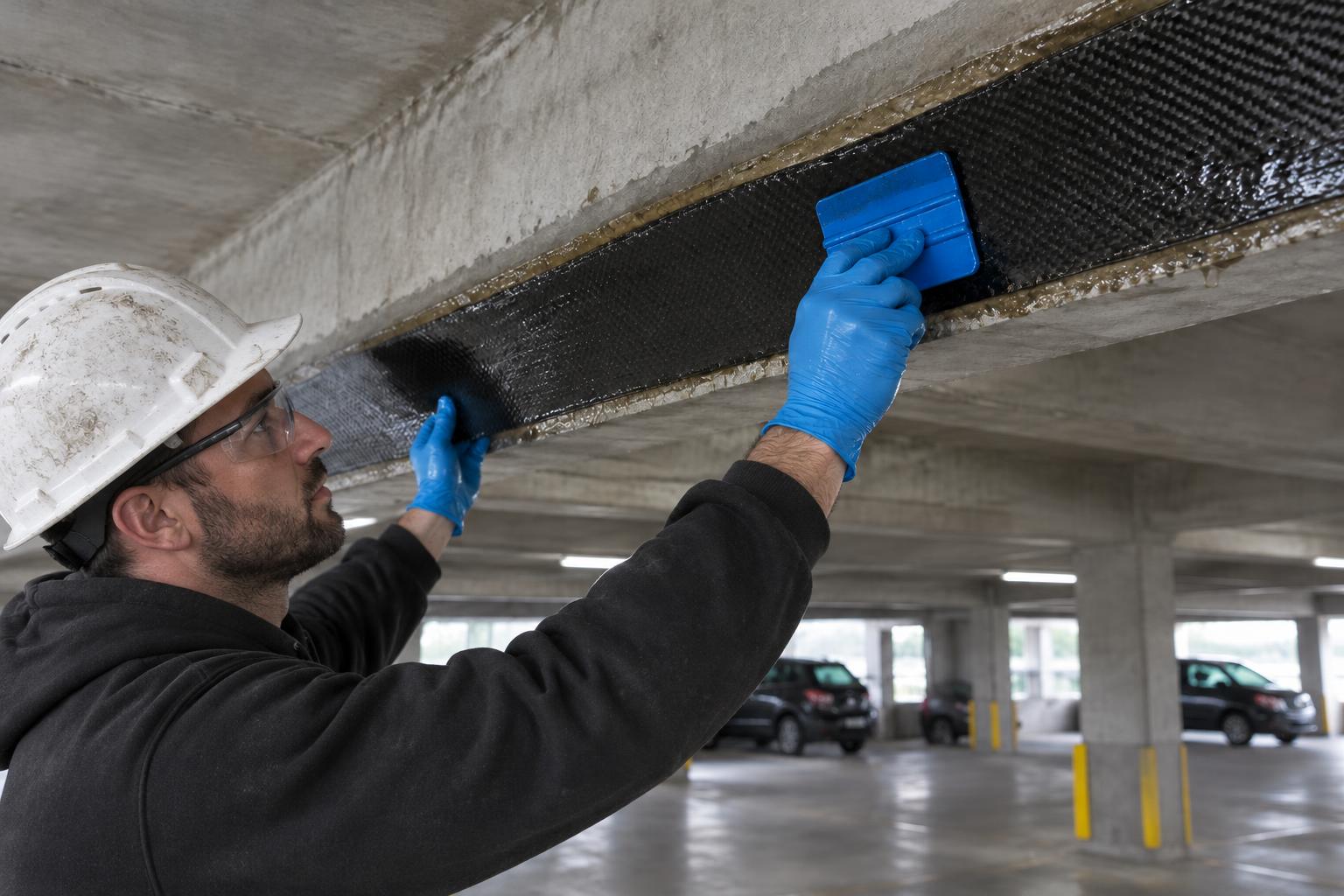
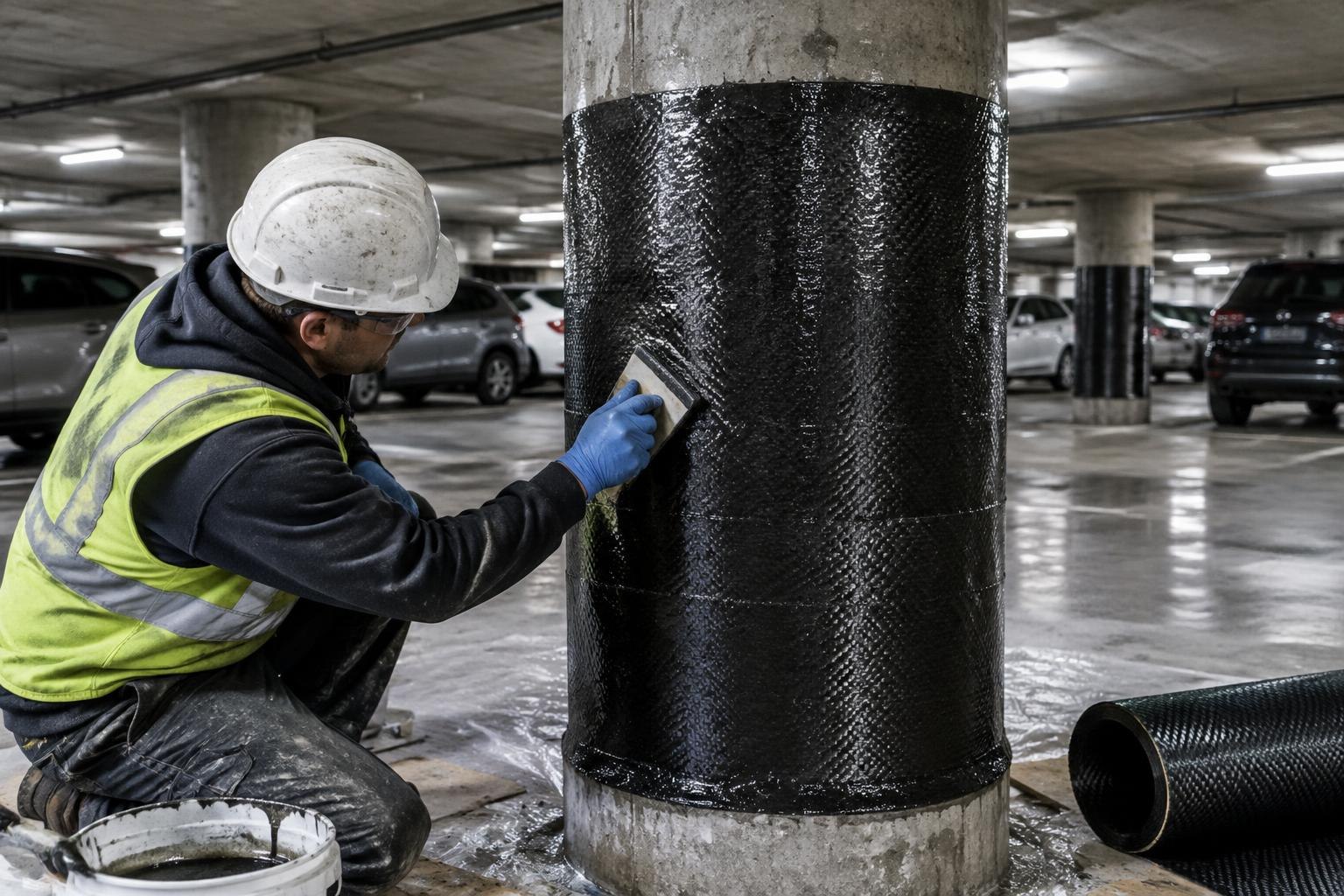
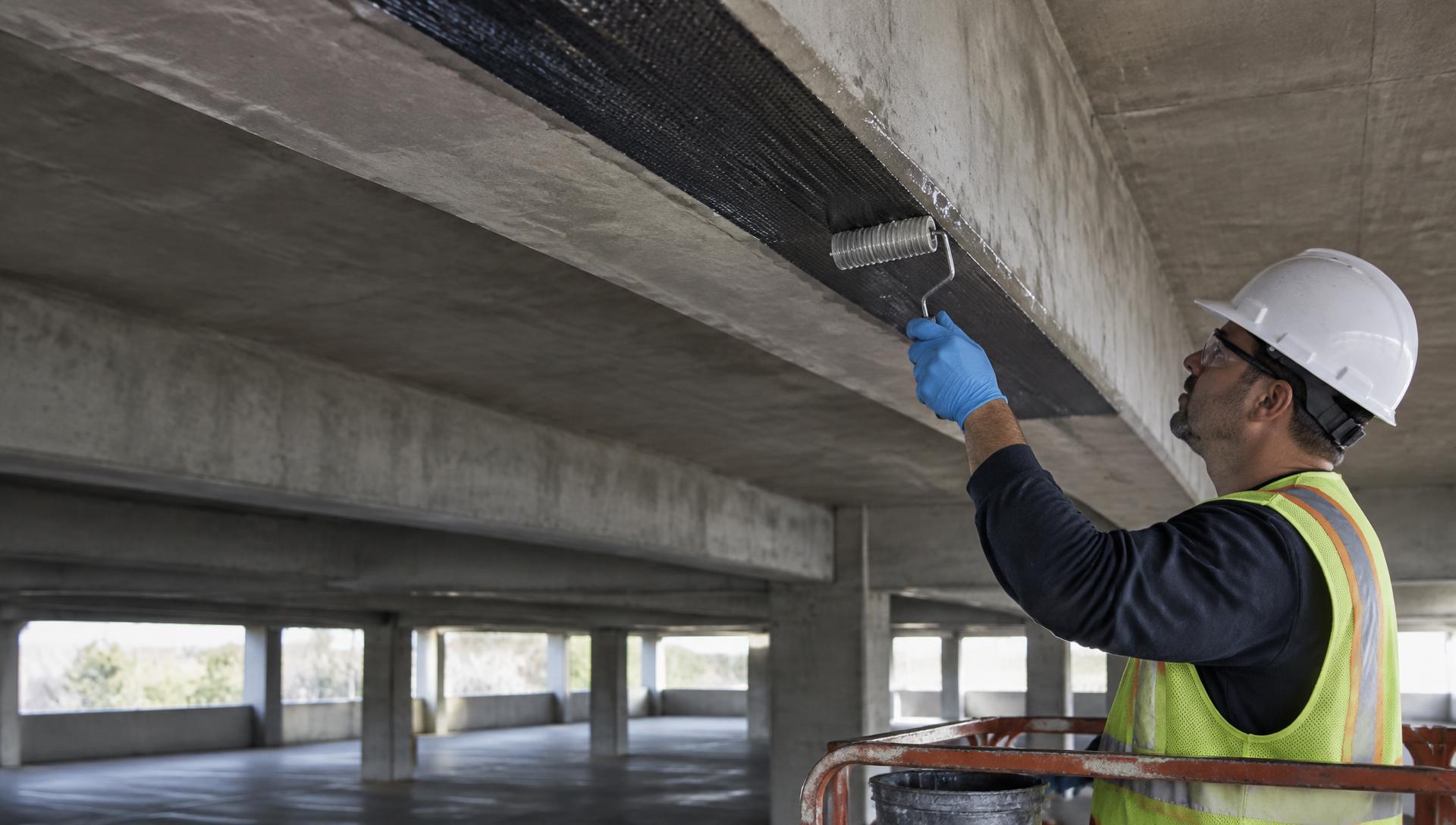
Carbon fibre reinforced polymer: carbon fibre and compatible resin applied as external reinforcement. Engineers may specify it for strengthening beams, slabs, columns, and other elements — offering high strength relative to weight and limited added thickness, and carbon doesn't rust like steel.
Who designs the structural work?
The project's qualified structural engineer. Assessment, calculations, reinforcement design, and acceptance criteria are theirs. Charlec is the installation contractor — we prepare and repair the concrete and install the reinforcement to the approved design.
Will CFRP fix a sagging beam instantly?
CFRP is a proven, highly efficient strengthening method. Your structural engineer defines what it achieves for your building, and our crew installs it precisely to that design.
Working with us
What does a site assessment involve?
Our free site assessment reviews the concrete, preliminary moisture readings, priorities and suitable systems, with physical samples available. We then outline a clear preparation scope, system and proposed schedule.
How much downtime should we expect?
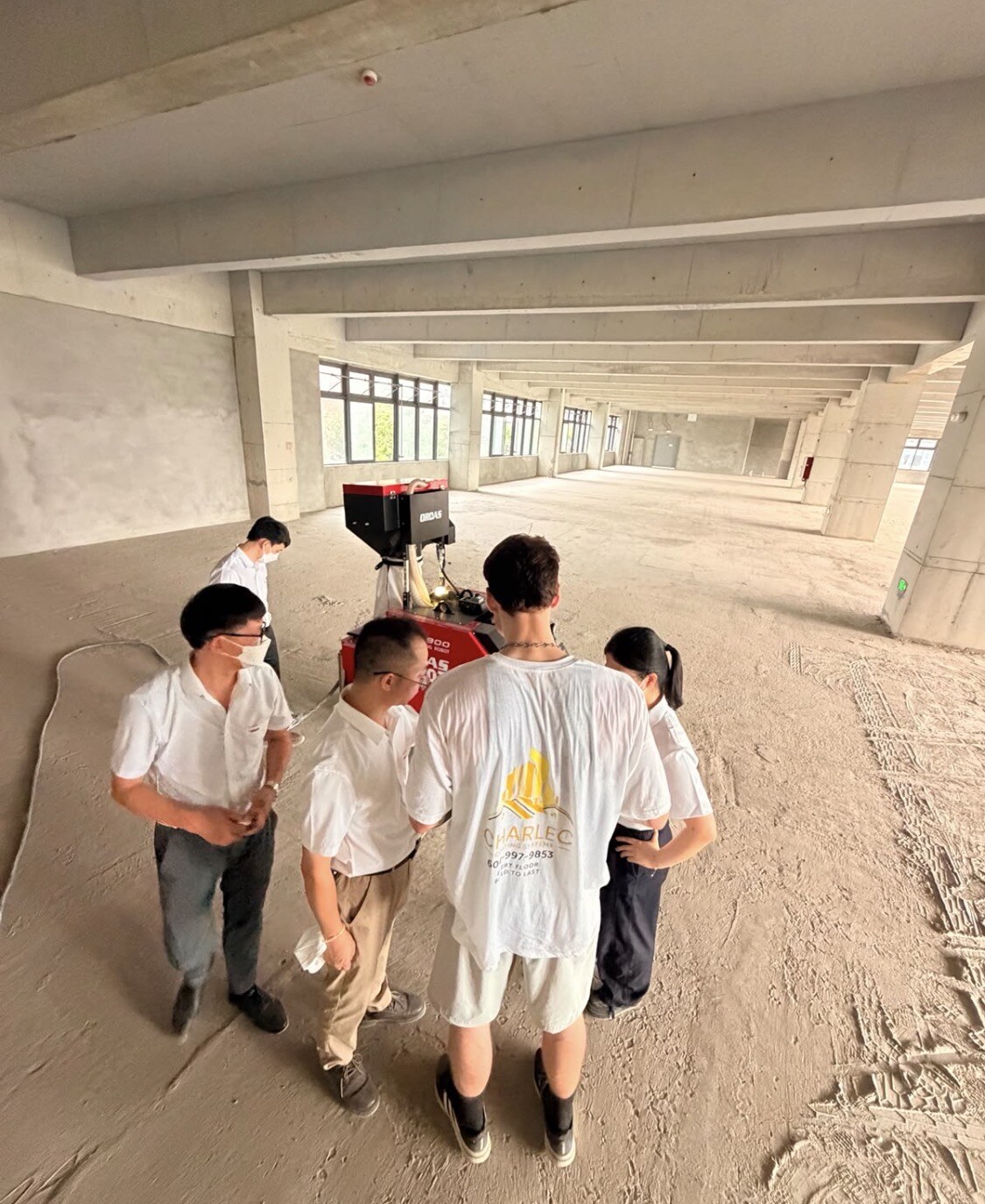
It depends on the system, area, and cure requirements. We plan phasing and shutdown windows with your team before work begins — many projects can be sequenced so operations continue in part of the space.
Where do you work?
Based in Vancouver, serving all of British Columbia.

Are you insured?
Yes. We carry $5 million commercial general liability insurance and WorkSafeBC coverage, with trained and certified installers and bonding capability. Documentation is available during the proposal process.
How do we maintain our new floor?
Every handover includes maintenance guidance for the installed system — generally routine cleaning with suitable products, prompt spill cleanup, and periodic inspection of high-wear areas. Following it is the cheapest way to extend the floor's service life.
What helps a floor last?
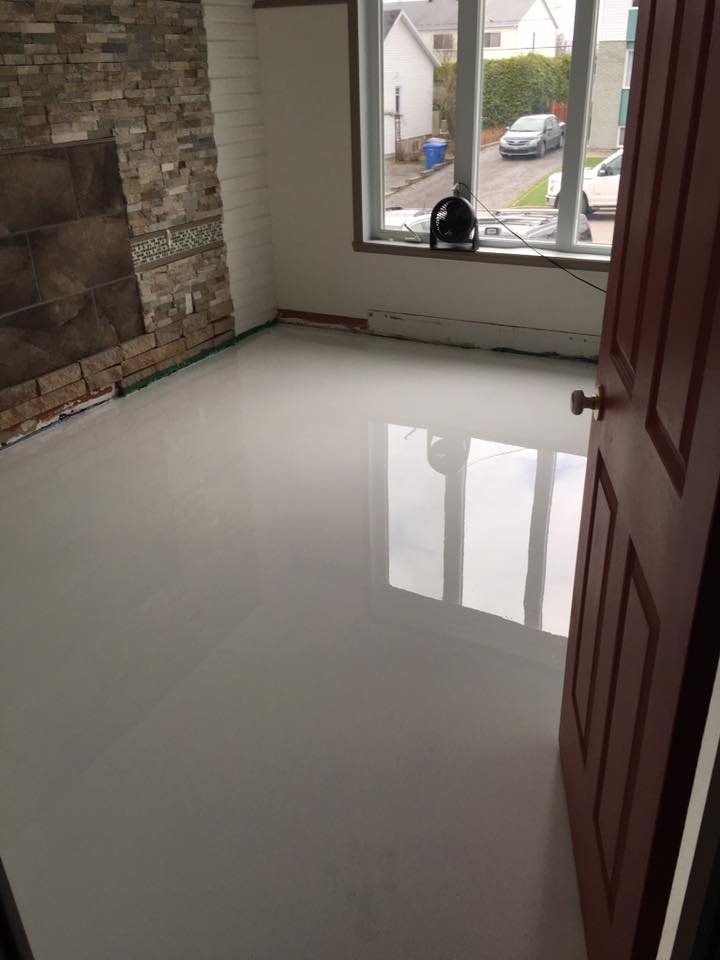
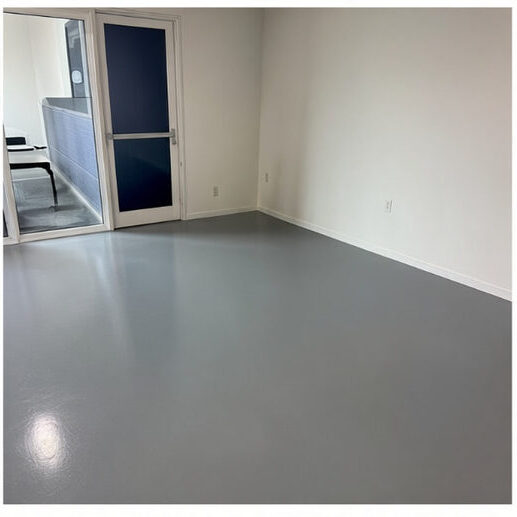
An appropriate complete system, thorough preparation, slab and moisture assessment, compatible installation, required curing and ongoing maintenance all contribute. That complete approach is how we build floors that perform for the long term.
What affects the price?
Area, existing finish removal, substrate repairs, moisture mitigation, specified system thickness, detailing, access and installation phasing all affect scope. A site assessment lets us provide a clear proposal tailored to your space.
System finder
Find your flooring system.
Your space. Your priorities. Recommended options for a site assessment.
Find Your Flooring SystemStart the conversation
Didn't find your answer?
Share your scope and priorities so we can discuss suitable options.