
ESD Flooring
Static-control flooring for electronics and sensitive environments.
Overview
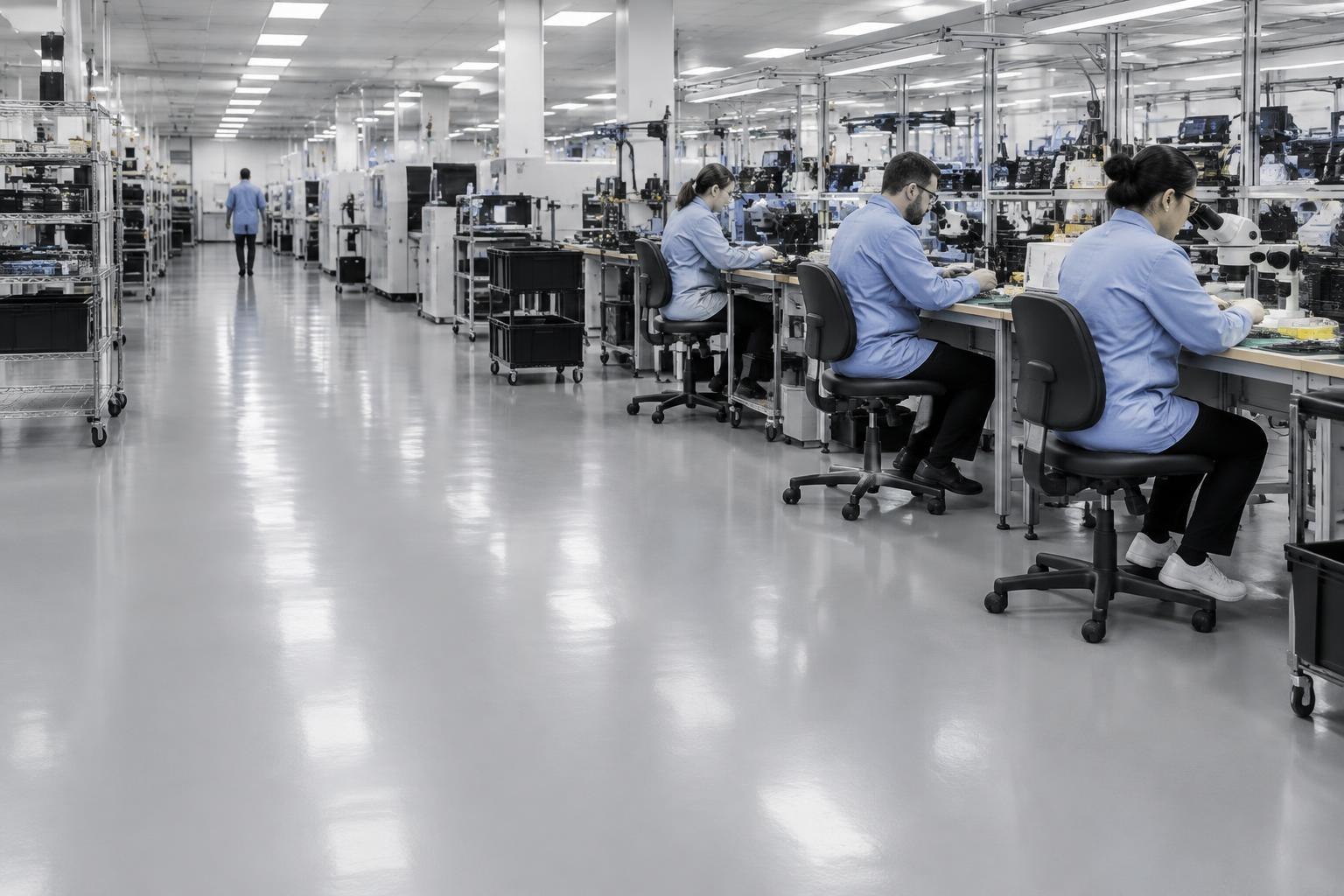
Where esd flooring belongs
In electronics production, labs, and static-sensitive areas, the floor is part of the grounding strategy. Ordinary epoxy is not static-control flooring — ESD systems use dissipative or conductive materials, proper grounding, and verification against the project's requirements.
We install ESD flooring systems with compatible materials and grounding details, and we coordinate verification so the installed floor meets the specified performance.
Typical applications
- Electronics production and assembly
- Laboratories and test areas
- Server and equipment rooms
- Static-sensitive manufacturing spaces
Performance
What we weigh before recommending
- Dissipative versus conductive performance targets
- Grounding points and continuity across the floor
- Compatibility of primers, body coats, and topcoats as a system
- Verification testing against project requirements
- Cleaning products — some common products degrade ESD performance
System options
Static-dissipative systems
Dissipative coating systems for areas where controlled static decay is specified.
Conductive systems
Conductive systems with grounding for more demanding static-control requirements.
Installation
How the work runs
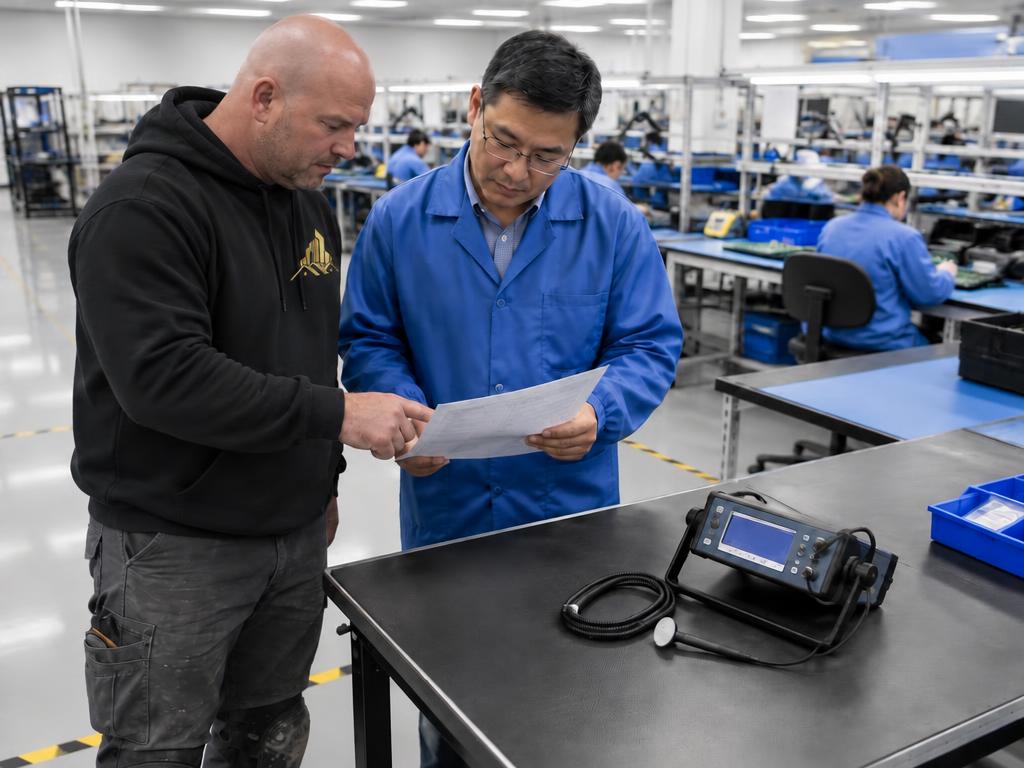
We confirm the specified electrical performance targets and test methods with your team.
Mechanical preparation and repairs establish a sound substrate.
Grounding points and conductive layers are installed per the system design.
Compatible primers, body coats, and topcoats are applied as a complete system.
Installed performance is verified against the project requirements before handover.
Preparation & detailing
- Standard mechanical preparation plus continuity of the conductive layer and grounding points
Maintenance & return to service
- Use only cleaning products compatible with ESD performance
- Periodic re-testing confirms the floor continues to meet requirements
Beneath the surface
Performance.
Layer by layer.
Dissipative Epoxy System: build-up layers from the prepared slab up. Final layers and thicknesses follow the specification.
Protective topcoat (as specified)
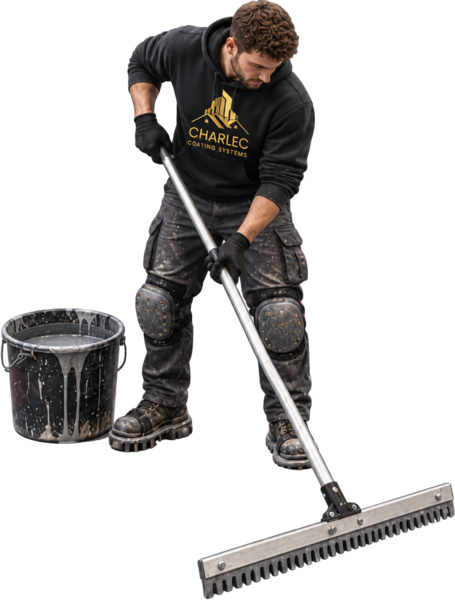
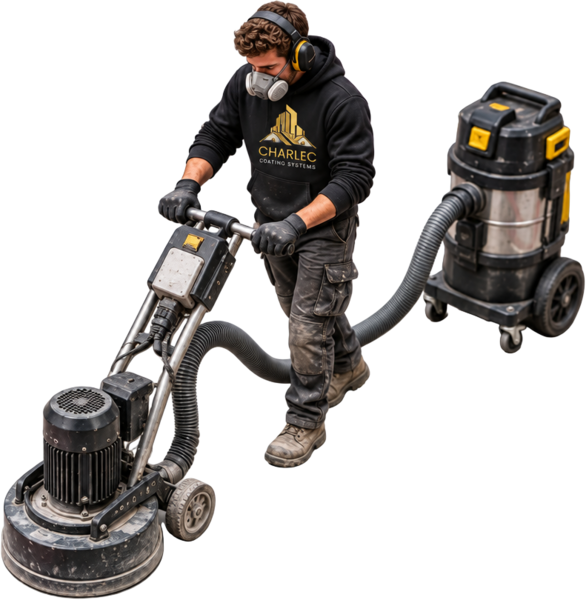
Rolling the static-control topcoat.


Maintenance guide
Keep it looking new.
ESD floors keep their static control when kept clean with the right products.
| Task | How often |
|---|---|
| Sweep or dust mop to lift grit and debris | Daily |
| Damp mop or auto-scrub with a pH-neutral cleaner and a soft pad | Daily to weekly, by traffic |
| Clean up spills, oils and chemicals | Right away |
| Walk the floor and check high-wear zones and edges | Every 6–12 months |
| Refresh the topcoat in traffic lanes if the sheen wears | As needed |
| Check resistance readings as your ESD programme requires | Per your programme |
Do
- Use walk-off mats at entrances to keep grit off the floor
- Rinse with clean water after cleaning so no residue builds up
- Put felt or rubber pads under furniture and equipment feet
- Use cleaners approved for ESD floors
- Keep grounding points and connections clear and undamaged
Avoid
- Use harsh acids, citrus or vinegar cleaners — they dull the sheen
- Scrub with steel wool or aggressive black pads
- Drag sharp or heavy items across the surface
- Apply wax, polish or finishes — they insulate the floor
Questions
ESD Flooring FAQs
Related systems
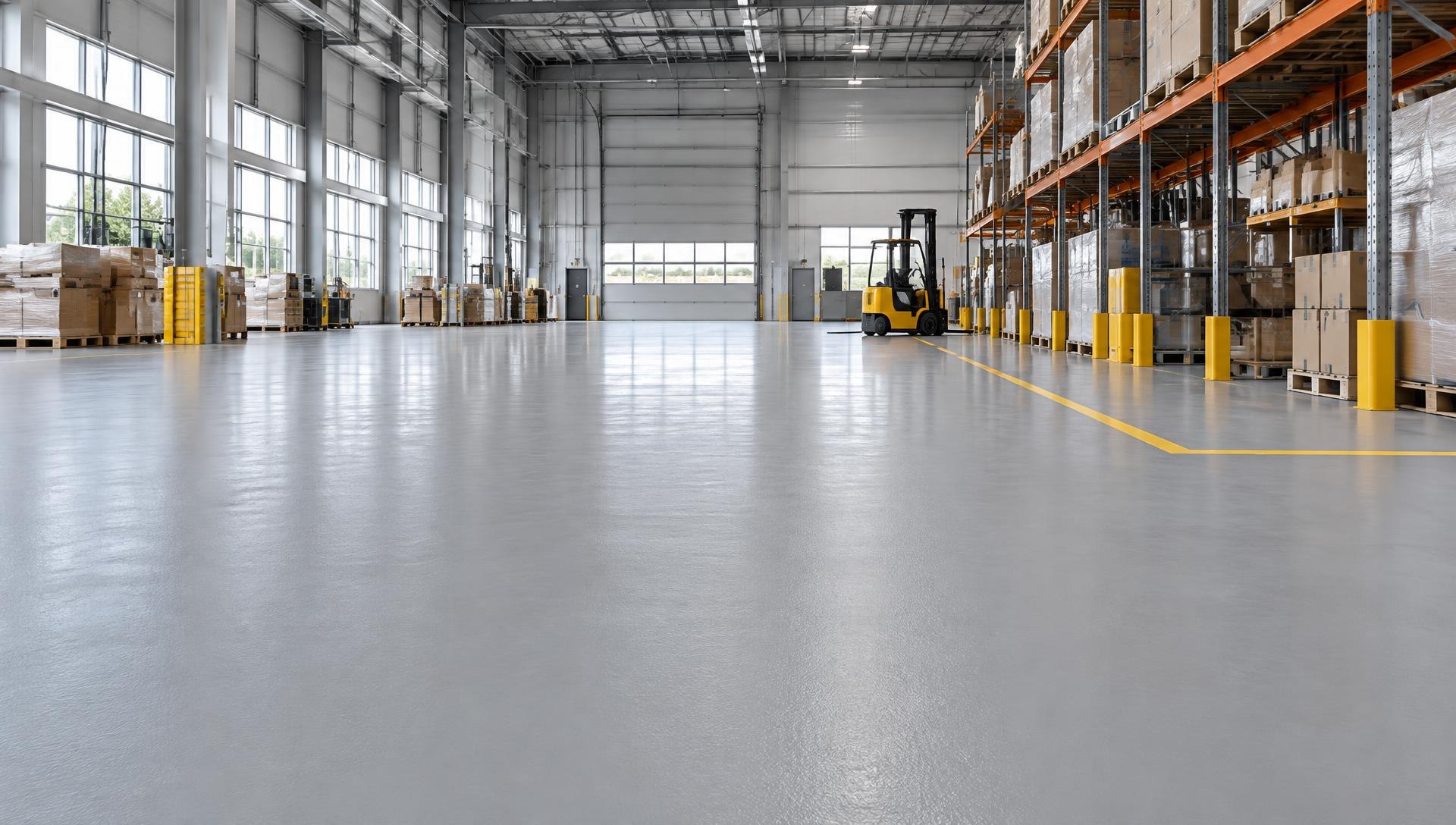
Industrial Floor Coatings
High-build systems for floors that work as hard as the building does.
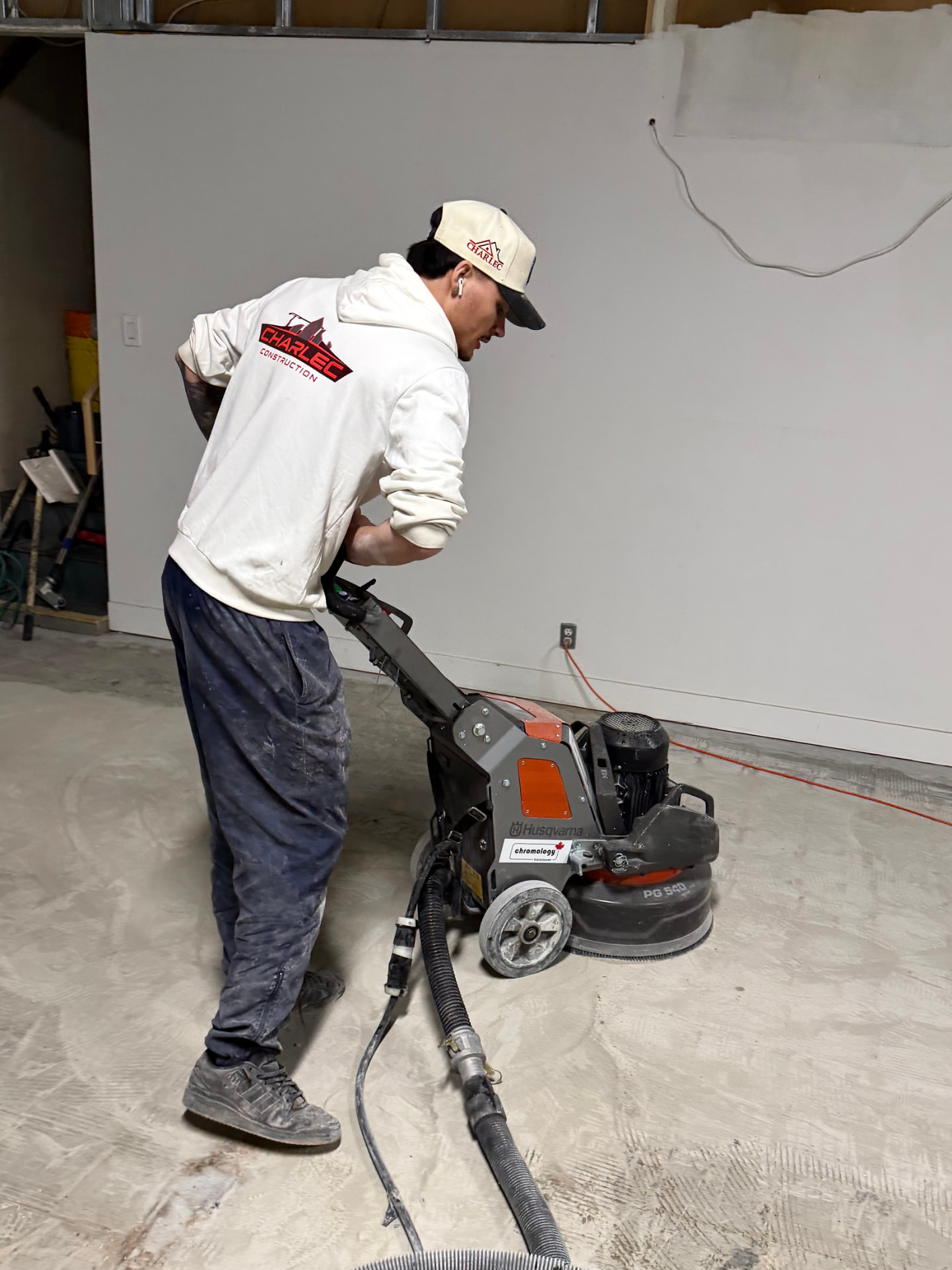
Surface Preparation & Concrete Repair
The foundation every coating system depends on.
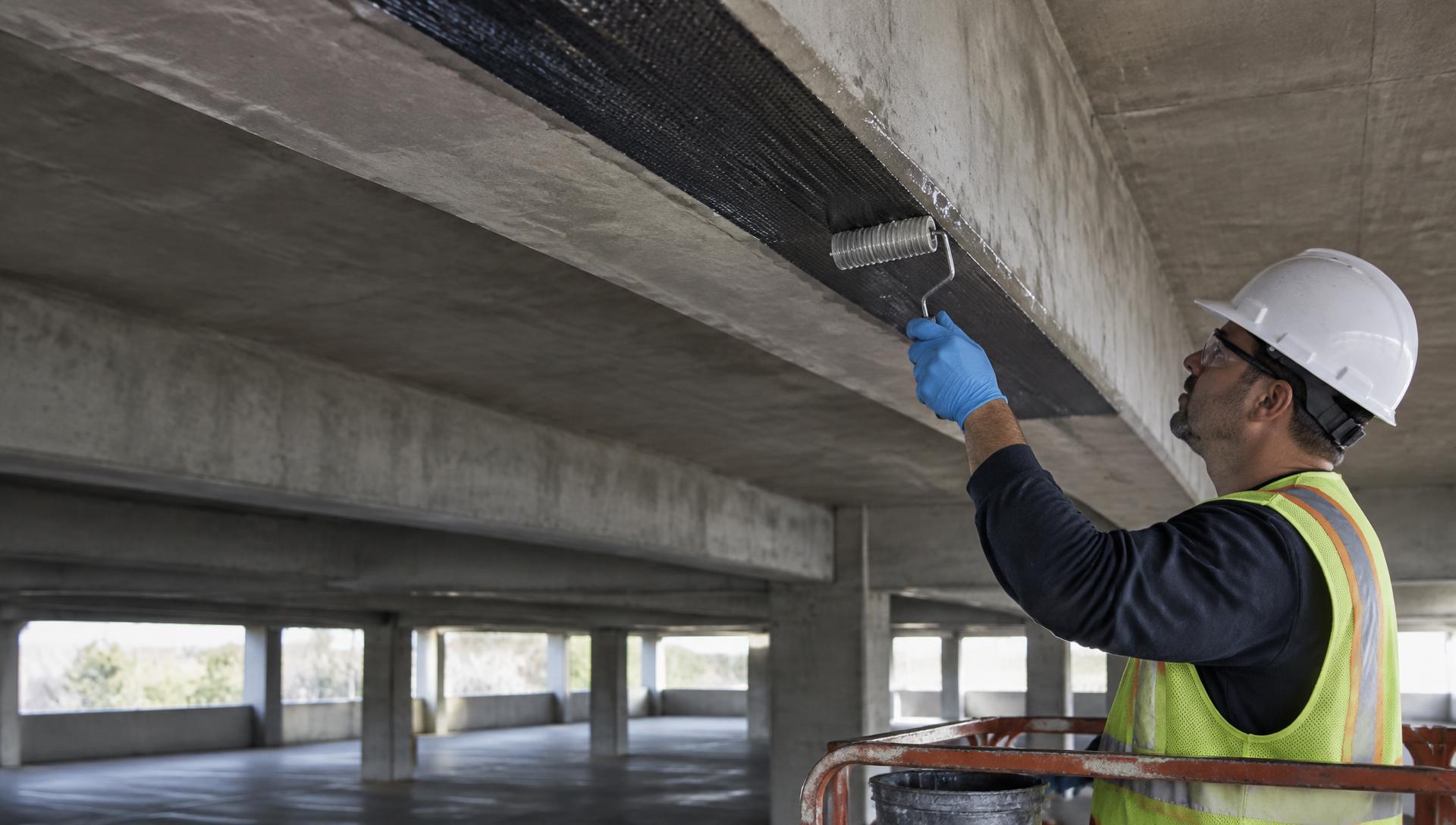
Structural Concrete Restoration & CFRP Strengthening
Carbon fibre reinforcement. Engineer-specified. Installed from a sound substrate.
Start the conversation
Planning a esd flooring project?
Share the location, approximate area, site conditions, and timing so we can understand your scope.